Guide
Which car key do you have?
Three generations of key are in daily use, they look broadly similar on a ring, and replacing one is a completely different piece of work from replacing another. Ten seconds of looking saves a confusing phone call.
Telling them apart
| Type | How it looks | Roughly | Replacing it means |
|---|---|---|---|
| Mechanical | All metal, or a thin plastic head. No buttons. | Before the late 1990s | Cutting a blade. That is the whole job. |
| Transponder | Chunky plastic head, often with buttons. Metal blade you insert. | Late 1990s onwards | Cutting a blade, then programming a chip to the car. |
| Proximity | A fob with buttons and no visible blade. Car starts on a button. | Mid 2000s onwards | Programming a fob, plus cutting the hidden blade inside it. |
Two quick tests settle almost every case. First: does the car start by turning a key, or by pressing a button with the key in your pocket? Second: if it turns, is the head of the key solid plastic with some weight to it, or thin and flat?
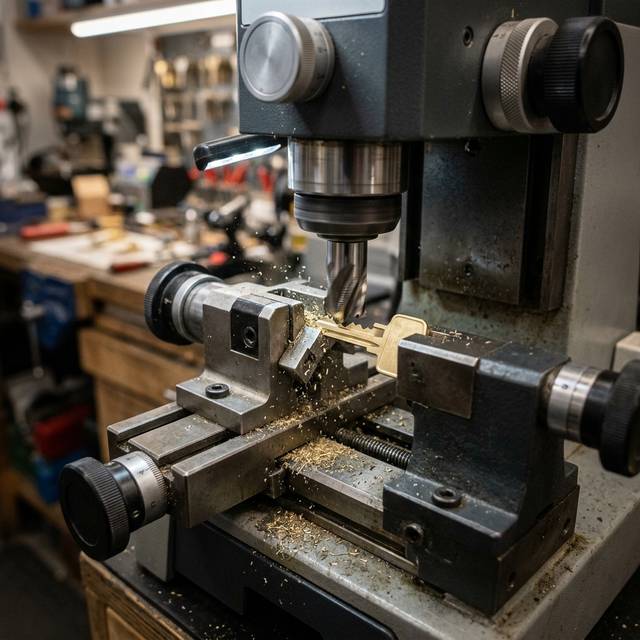
Mechanical keys
A cut piece of metal and nothing else. The lock is the only thing that has to accept it, and there are no electronics anywhere in the chain. Replacing one is genuinely straightforward: the blade is cut from a key code or copied from an existing key, and it works.
Older vehicles, motorcycles, trailers, plant and a lot of vans still use them. If you have one, you have the easy version of this problem.
Transponder keys
From the late 1990s, manufacturers began fitting immobilizers. A chip in the head of the key answers a challenge from a coil around the ignition barrel. Turn the right blade with the wrong chip — or no chip — and the engine will crank but not run.
That means replacement is two jobs. Cutting the blade is mechanical and rarely the obstacle. Programming the chip means writing it into the vehicle's own system, usually through the diagnostic port, and whether that can be done outside a dealer depends on the manufacturer and the model year.
A useful diagnostic: if the key turns the ignition and the engine cranks but does not catch, and a security light is flashing on the dash, that is transponder behavior rather than a mechanical fault.
Proximity fobs
The key stays in a pocket, the car detects it, and a button starts the engine. There is still a blade, but it is hidden inside the fob for use when the battery dies or the car's own battery is dead. Find out how yours releases before you need it — usually a small catch on the side.
Replacement means programming a new fob to the vehicle and cutting the concealed blade to match the door lock. Some manufacturers restrict this tightly. Some vehicles impose a security delay of several minutes to an hour before a new key can be added, which nobody can shorten.
The one piece of advice worth acting on
If you are down to a single working key, get a second one made while the first still works. On most vehicles, adding a key alongside an existing one is a smaller job than creating one from nothing — sometimes dramatically so.
It is the difference between a planned appointment and an unplanned one in a parking garage.
What to have ready when you call
- Year, make, model and trim. Trim matters — two cars of the same model year can use different systems.
- The VIN, visible through the windshield on the driver's side.
- Whether you still have a working key.
- Registration or title in your name, plus photo identification.
With those, most of the uncertainty disappears in one phone call. What happens next is on the car key replacement page, and the wider picture is on automotive work.
Across the makes
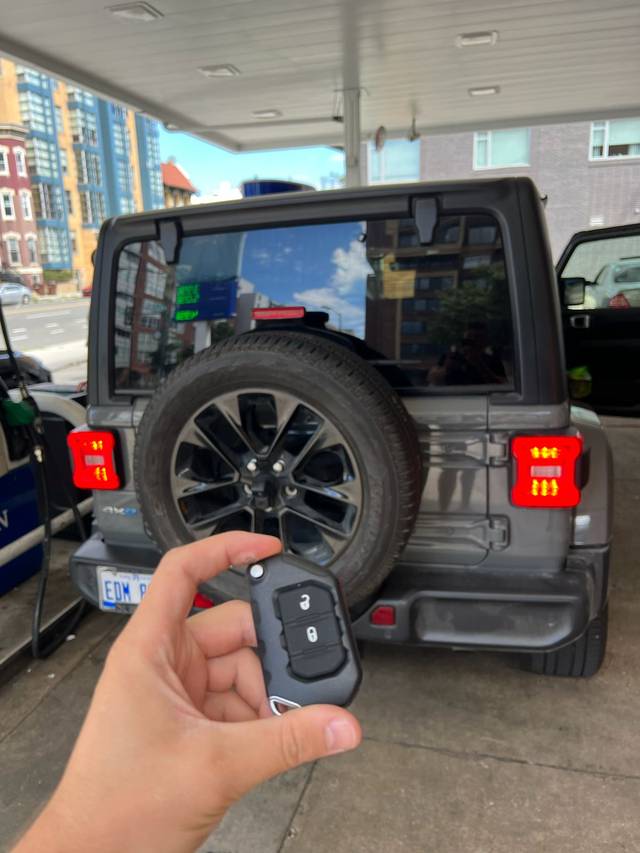
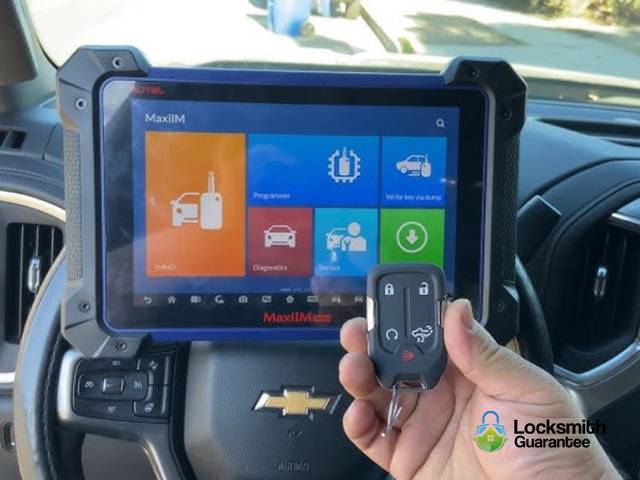
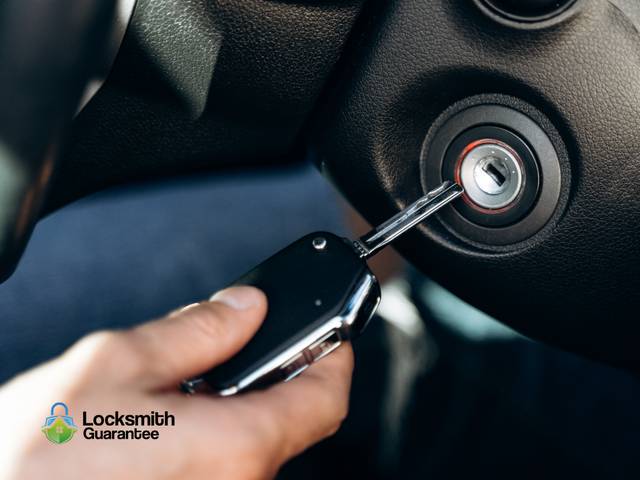
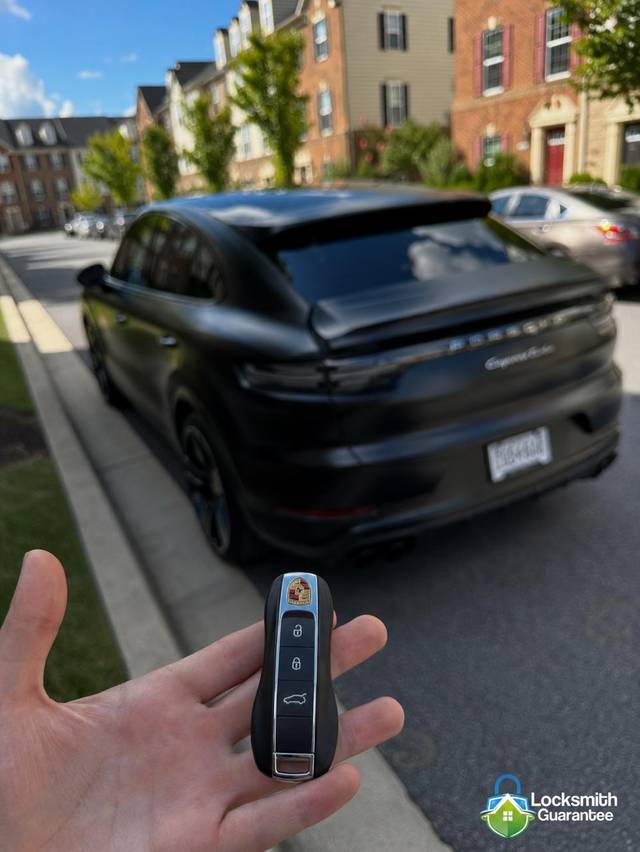
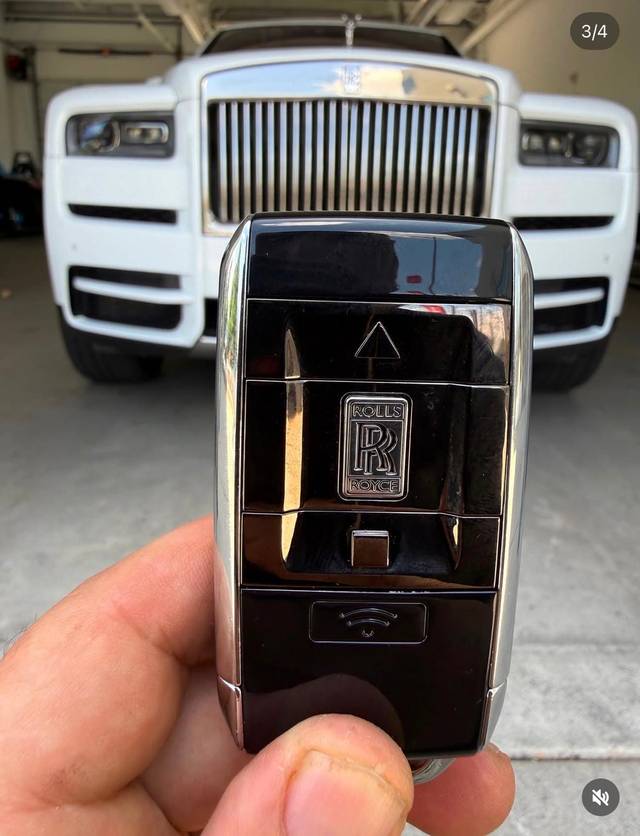
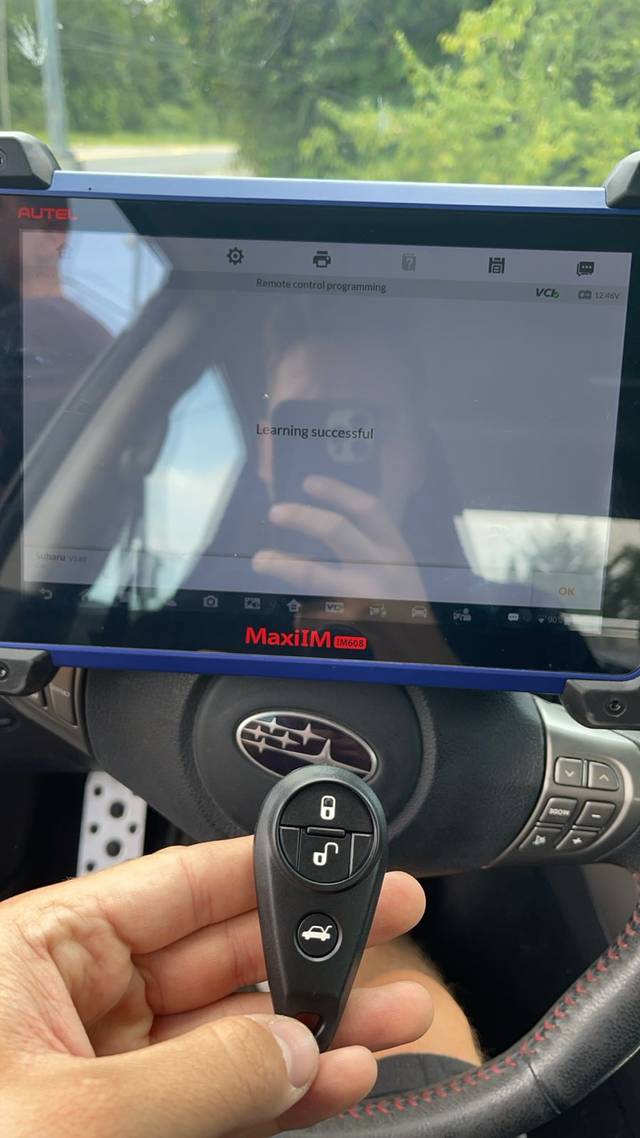
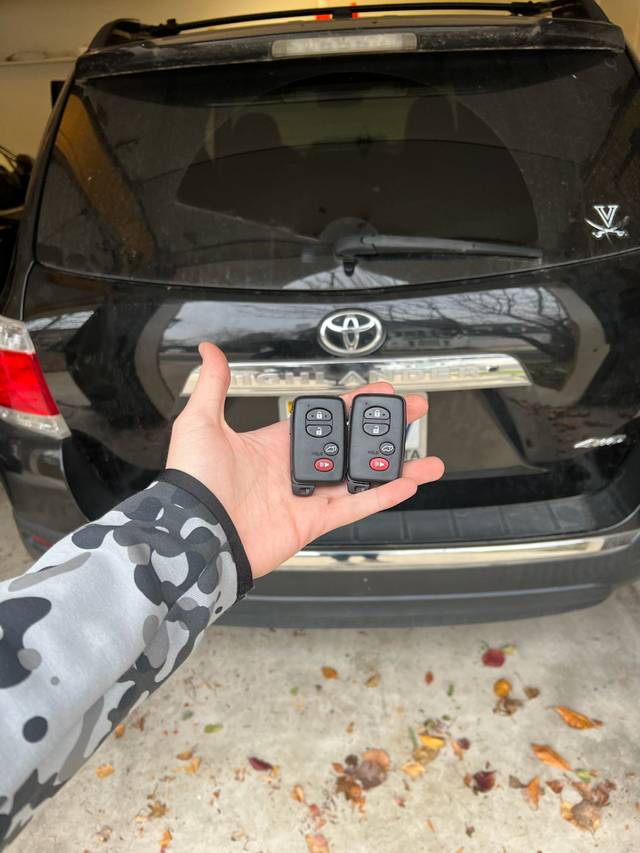
Fobs and smart keys, make by make
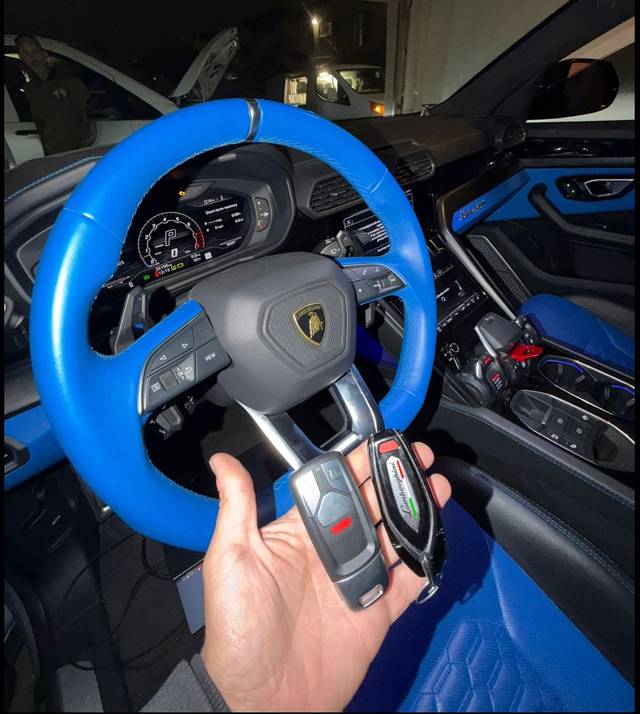
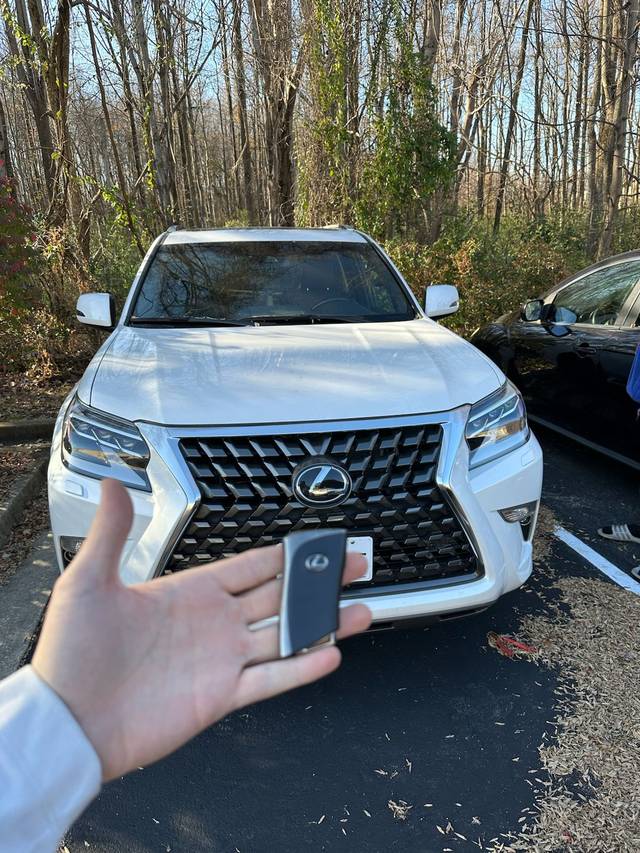
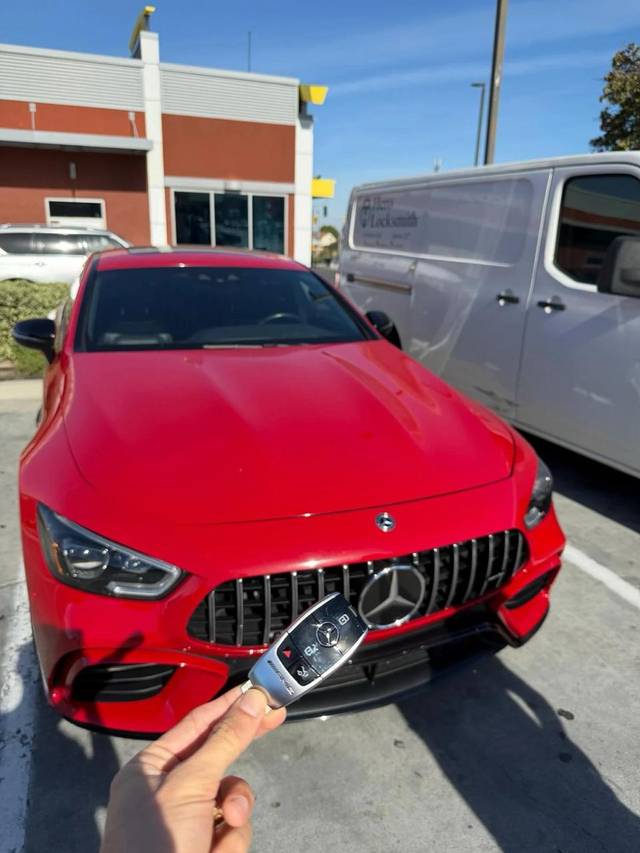
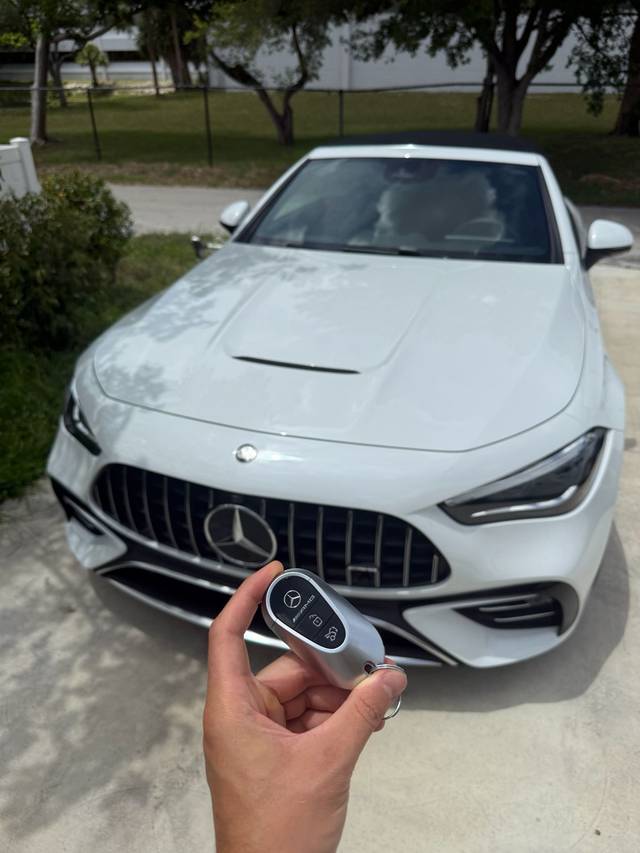
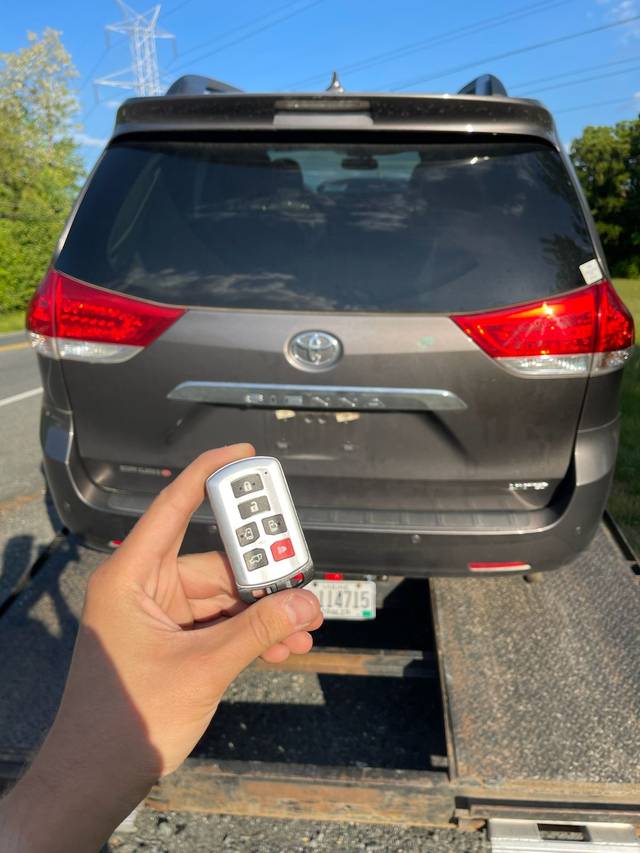
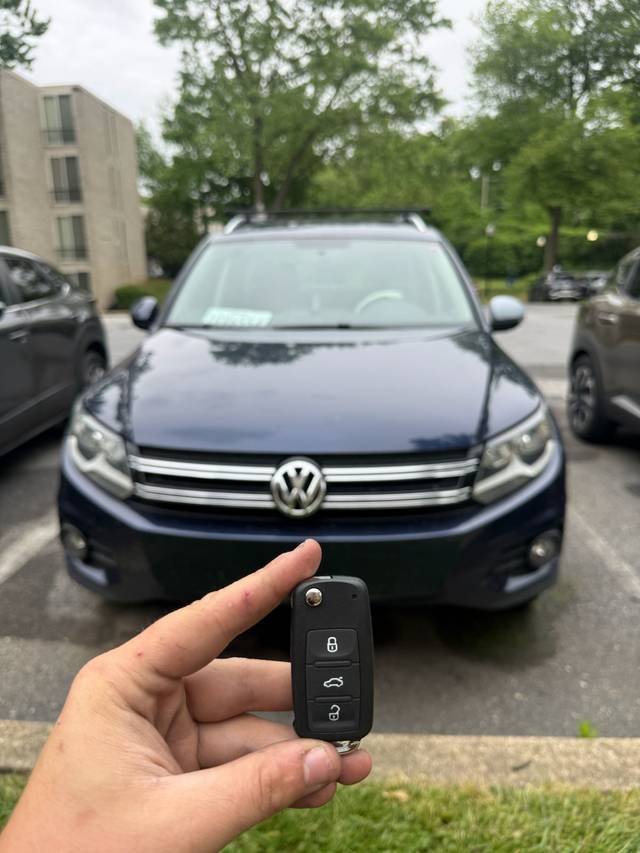
A spread of makes and model years. A similar car appearing here does not settle whether yours can be done outside a dealer, which is why the year, make and model matter more than the badge. 11 of the 13 are our own jobs; the others illustrate the hardware.
Questions and answers
Follow-up questions
Can a hardware store copy my car key?
They can copy the metal blade, and for a purely mechanical key that is the whole job. For a transponder key the copy will open the doors and turn the ignition but will not start the engine, because the chip has not been programd. This surprises people regularly.
My fob has stopped working. Is that expensive?
Often it is a battery, which is a two-minute job and a standard coin cell. Beyond that, a cracked case can sometimes be replaced with the electronics moved across. Genuine loss of pairing needs reprogramming, which is the same process as adding a new key.
Why do dealers and locksmiths quote such different amounts?
Because the work is not always the same work. Some vehicles can be programd by anyone with the right equipment; some cannot be programd outside a dealer at all. The honest answer for your car depends on the make and the model year, which is the first thing to establish.
Keep reading
Vehicle pages
Once you know which type you are holding, these two pages cover what happens next.
Still not sure which one you have?
Describe the key and the way the car starts, and we can identify it over the phone.