Residential
Residential locksmith work in Washington, DC
Front doors, back doors, basement entrances and the interior locks nobody thinks about until one of them jams. Most of it is repair and rekeying rather than replacement.
What the work usually is
Housing stock decides most of the job
A large share of the District's homes are brick row houses built between the 1890s and the 1930s, and they age in predictable ways. The frames are solid wood that has swollen and shrunk through eighty or more summers. The original locks were often mortise sets, and a deadbolt was added later, higher up the door, by somebody who did not have the first key. The two have never shared a key since.
That is why a call about “the lock being broken” so often turns into something else: a strike plate that needs moving nine millimeters, a hinge screw that has lost its grip in old pine, or two working locks that simply need bringing onto one key.
Newer condominium units bring different work. The unit door is usually a fire door with a fixed thickness and a fitted mortise or interconnected lock, and the building may have rules about what can be fitted. Those are worth checking with the association before hardware is bought.
Reasons people call
The five that come up most
- You have just moved in
- Previous owners, tenants, contractors, cleaners, an agent and whoever else was handed a key over the years. Nobody can reconstruct that list, which is why rekeying is the standard first job after a move.
- A key has gone missing
- If it was on a ring with anything identifying the address, the lock it opens should stop accepting it. If it was a spare that has simply been mislaid at home, that is a different and much smaller decision.
- The door will not latch without a shove
- Almost always the door has dropped or the frame has moved, so the latch is landing below the pocket in the strike. New hardware does not fix it, because the pocket stays where it is.
- The key is getting harder to turn
- Usually a worn key rather than a failing lock, particularly if it is a copy of a copy. Cutting a fresh key to the original pattern often ends it.
- Several keys for one house
- Front door, back door, basement, garage, mailbox — all fitted at different times. These can usually be keyed alike so one key runs the lot, without buying a single new lock.
If the symptom you have is on that list, the troubleshooting walkthrough covers the checks worth making before anyone comes out.
Around the house
Places a home locksmith actually goes
A house carries more locks than most people count, and they fail in a rough order of their own. Front doors get attention; the ones below tend to be remembered only once they stop working.
The front door
Deadbolt, knob or lever set, strike plates, and the frame reinforcement that decides whether the bolt is doing anything useful. See how deadbolt grades differ.
Basement and rear entrances
English basement doors, cellar hatches and back gates take more weather than the front door and fail sooner. Damp, rust and swelling timber are the usual causes.
Inside the house
Bedroom and bathroom privacy sets, an office door that needs a real lock, cabinet locks and the interior door somebody has locked with the key on the far side.
Mailboxes
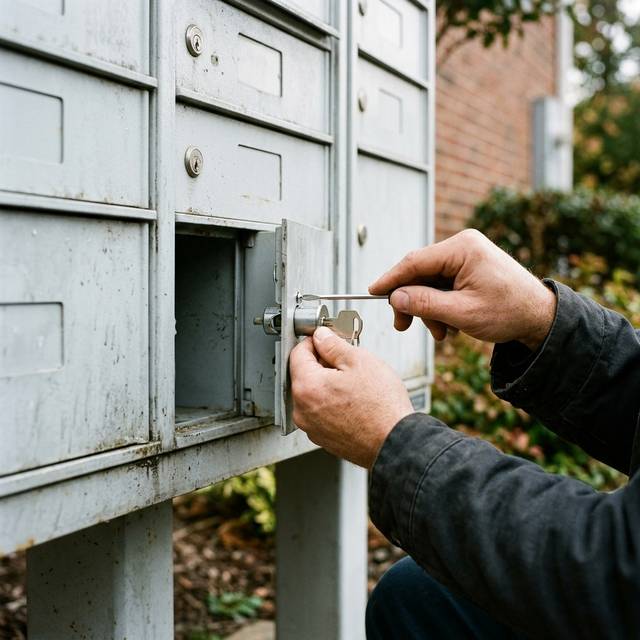
Cluster boxes and individual mailbox locks, which are their own small world of cam locks and are replaced rather than repaired.
Sheds, gates and storage
Padlocks, hasps and gate hardware. Worth matching to the rest of the house rather than adding another key to the ring.
Rental turnovers
Between tenants, when the point is to be certain that the previous set of keys no longer works. Usually a rekey across several units at once.
A visit, start to finish
What a house call looks like
Nothing is drilled, ordered or replaced before it has been explained and agreed.
Look at the whole opening
Door, frame, hinges, strike and lock. A surprising number of lock complaints are not about the lock.
Say what we found
In plain terms, with the option that costs least listed first, and an honest note on how long each is likely to last.
Do the agreed work
Rekey, repair, adjust or replace. Old hardware comes off intact where it may be worth keeping.
Test it properly
Locked and unlocked from both sides, with the door open and closed, with every key that is meant to work.
On the door
Home hardware, fitted and finished
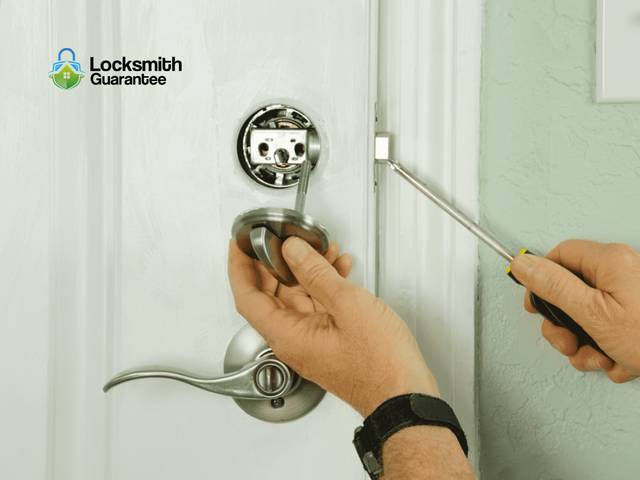
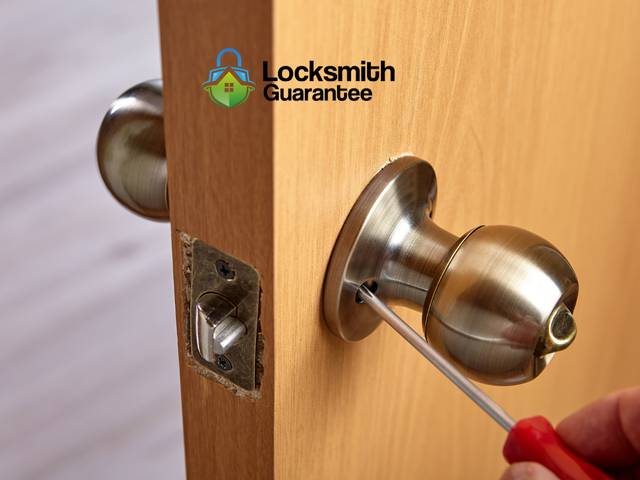
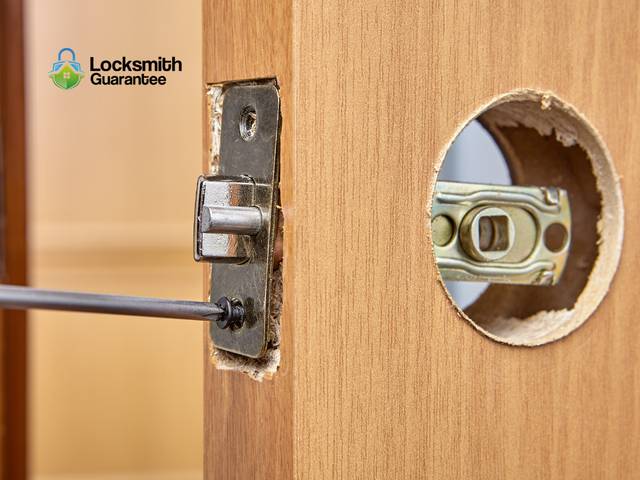
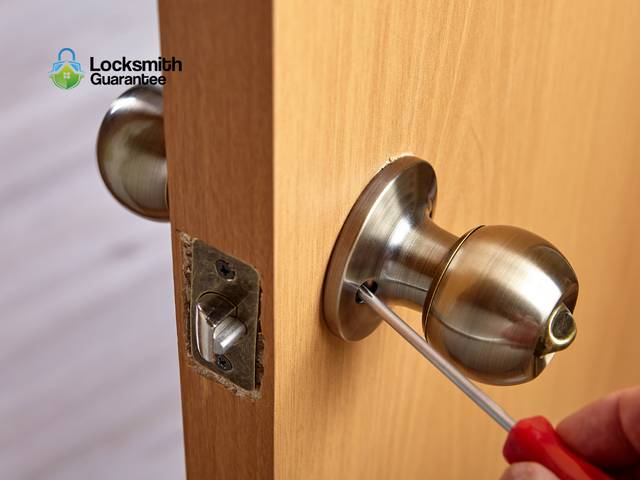
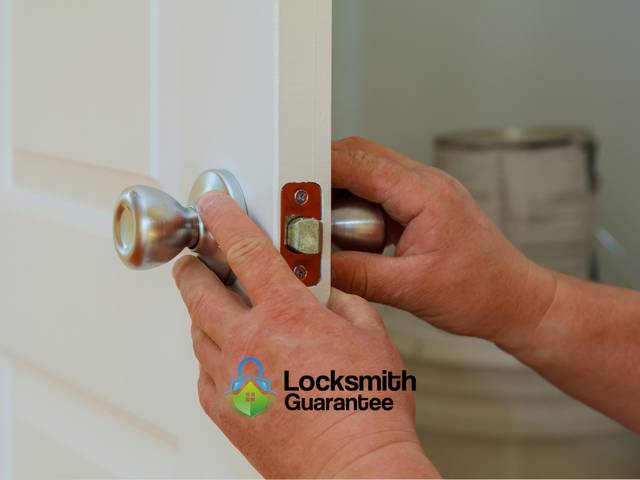
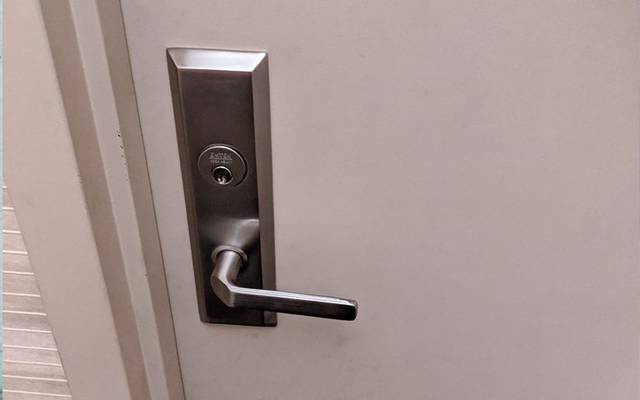
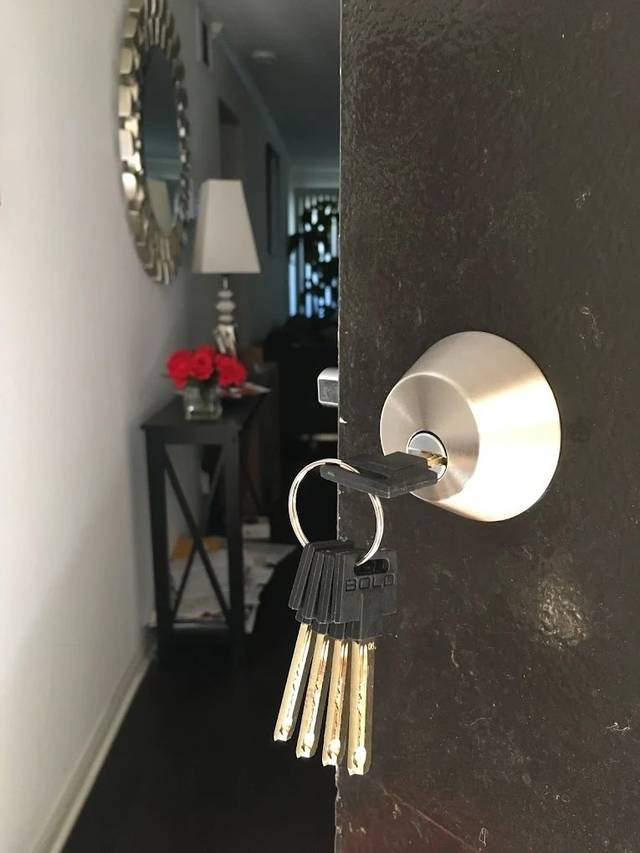
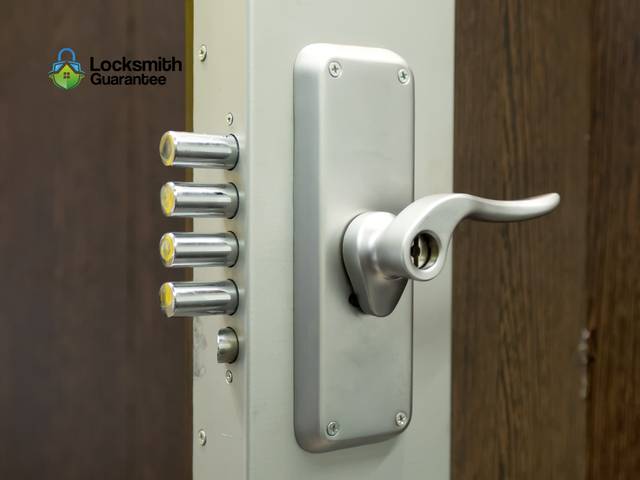
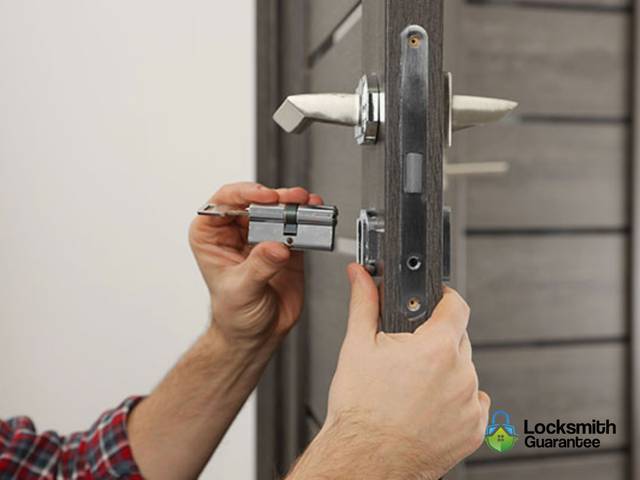
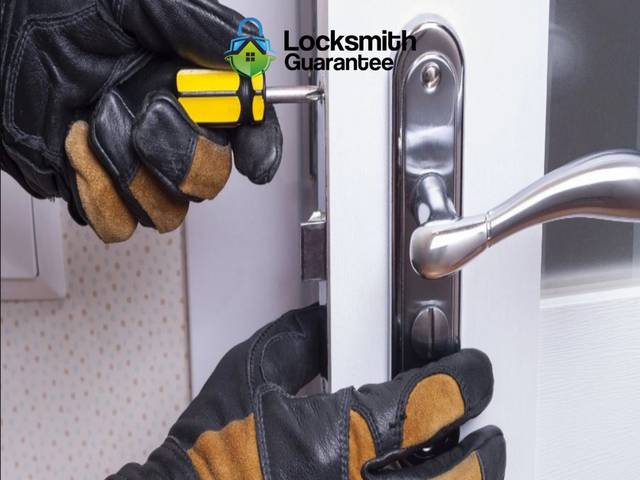
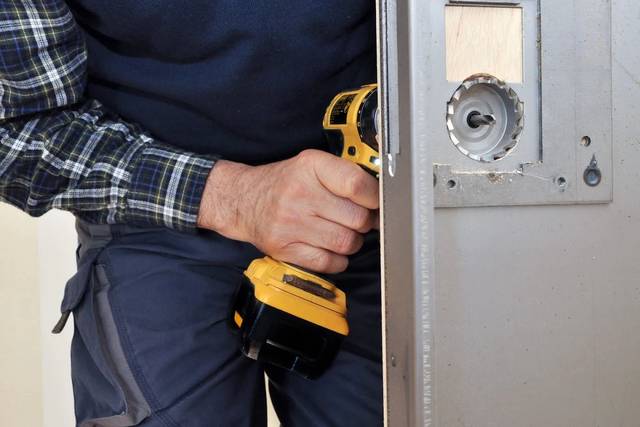
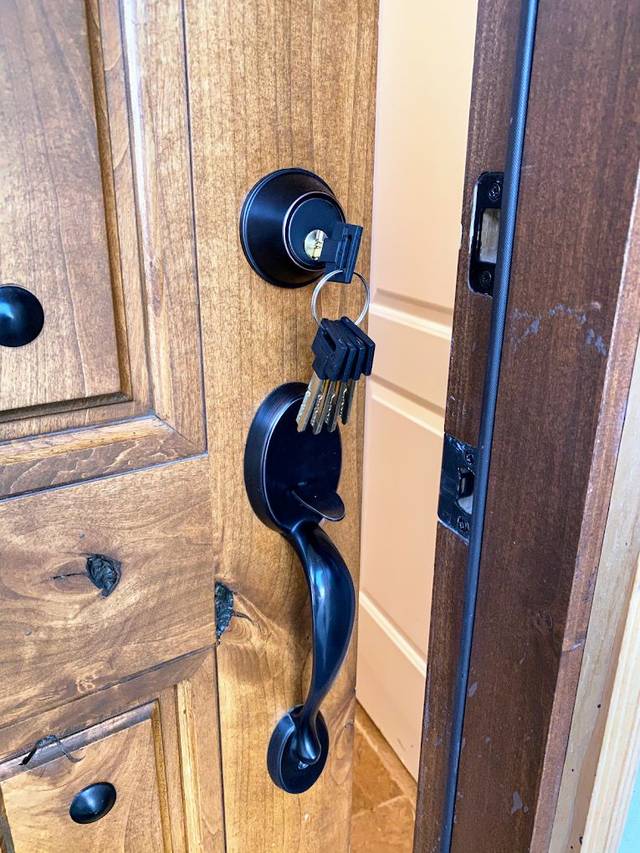
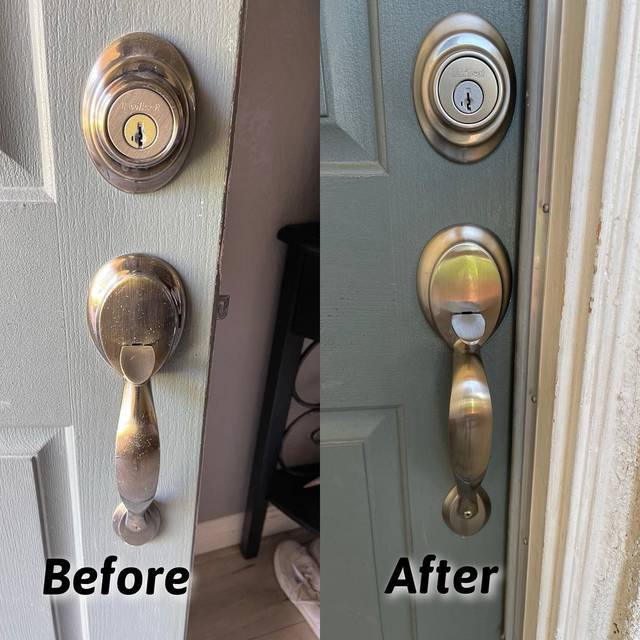
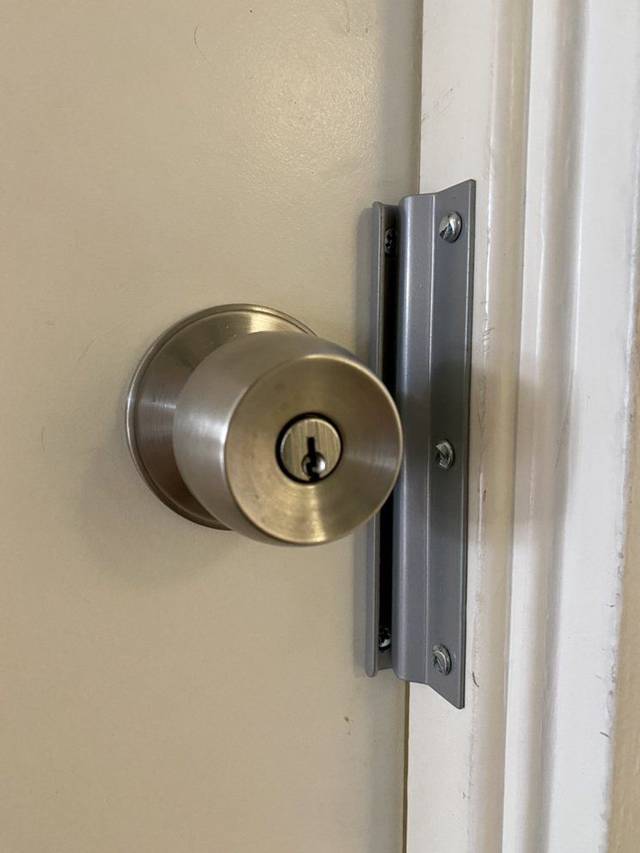
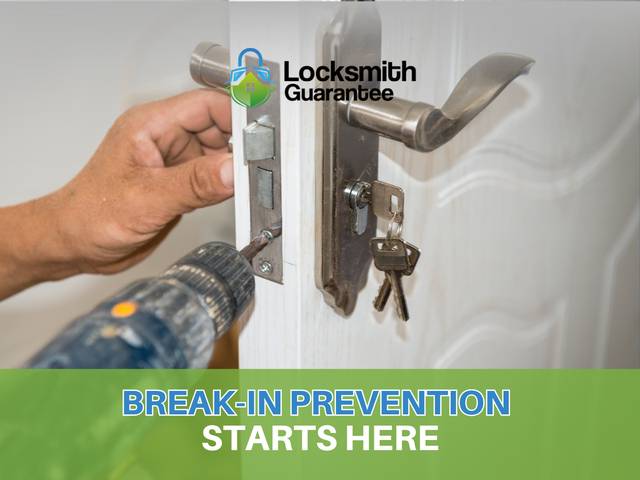
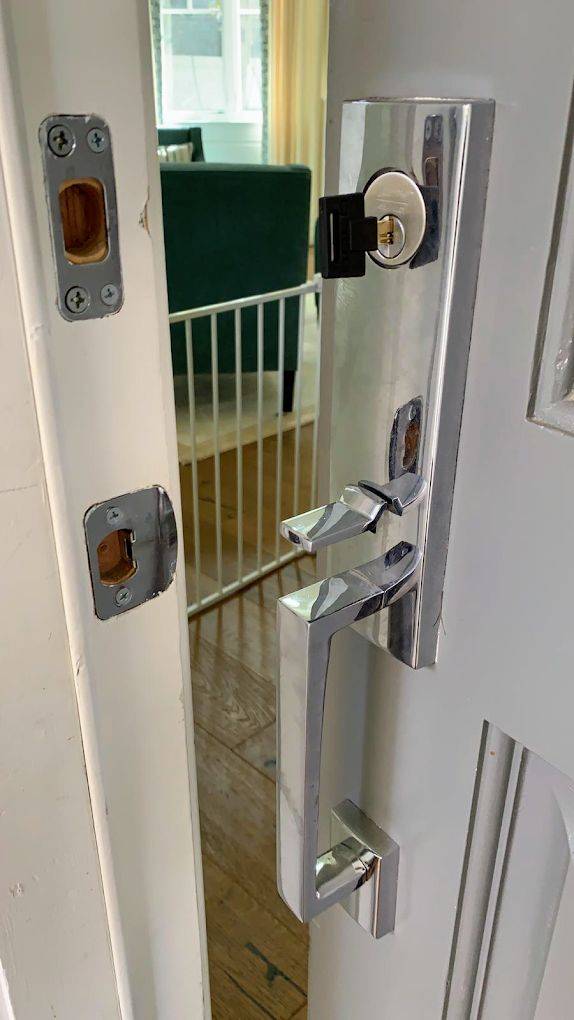
Handle sets, deadbolts, latch guards and reinforced strikes, with several doors shown before and after. 7 of the 16 are our own jobs; the others illustrate the hardware.
Questions and answers
Questions about home lock work
Is rekeying enough after buying a house, or should the locks be replaced?
Rekeying is enough in most cases. It changes which key the cylinder accepts, so every key handed out before you arrived stops working. Replacement is the answer when the hardware itself is worn out, when the door has no deadbolt at all, or when you want a different type of lock. The comparison guide works through it.
Can you match a new lock to the key I already carry?
Often, yes. If the new lock uses the same keyway family as your existing one, it can usually be pinned to your current key so the ring does not grow. Bring the key, or tell us the brand stamped on the face of the lock.
My apartment building manages the doors. Can you still help?
Inside your own unit, generally yes, though many buildings restrict what can be fitted on the unit door and some hold a master key that any new lock has to work with. Check with the building before buying hardware. Common doors, lobby entrances and mail rooms belong to the building's own contractor.
Do you work on doors that are not standard sizes?
Older DC houses are full of them. Non-standard backsets, doors thicker or thinner than the modern 1¾ inch, mortise pockets that no current lock fits. Some of these need a specific replacement rather than whatever is on the shelf, which is why a photo of the door edge helps before the visit.
What if the problem turns out to be carpentry rather than the lock?
We will tell you. Adjusting a strike, shimming a hinge or filing a latch face is within a locksmith's work. Rehanging a door, replacing a rotten jamb or squaring a frame is a carpenter's job, and fitting a new lock to a bad frame just moves the problem.
Keep reading
Related work on the same door
Residential jobs rarely stay in one category. These are the pages people read next, depending on what the visit turns out to involve.
Describe what the door is doing
A short conversation usually narrows a home lock problem down to one or two likely causes before anyone leaves the shop.