Rekeying
Rekeying: changing the key without changing the lock
The lock stays on the door. The pins inside it are swapped for a set that matches a different key, and every key cut to the old pattern stops working. It is the answer to most lost-key and new-address problems.
The mechanism
What is actually happening inside
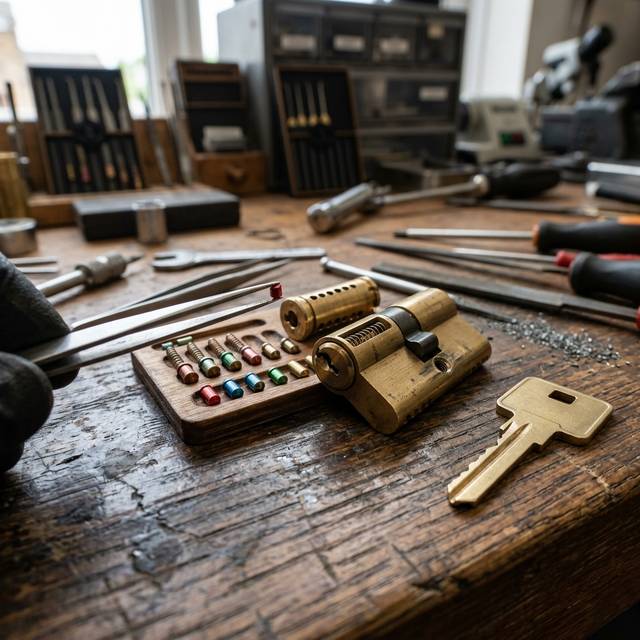
A pin tumbler cylinder holds a row of spring-loaded pin stacks. Each stack is split into two pieces at a height set by the cut on the key. Push the right key in and every split lines up along the shear line, so the plug can turn. Push the wrong key in and at least one stack blocks it.
Rekeying replaces the lower pins with a set sized for a different key. Nothing on the outside changes: same lock, same finish, same screws, same holes in the door. What changes is the only thing that matters — which key it accepts.
The practical consequence is that a rekey is usually a fraction of the cost of new hardware, and it takes minutes per cylinder rather than a fitting job. On a door where the lock is sound, there is rarely a reason to do anything else.
When it is the right call
Situations rekeying solves cleanly
- You have just moved in. Nobody can reconstruct who was handed a key over the previous owner's years in the house.
- A key has gone missing outside the house. Particularly if it was on a ring with an address, a parking tag or a garage remote.
- A lease has ended. Standard practice between tenants, and far less work than replacing hardware every turnover.
- Someone has left a business. Rekeying the doors their key opened settles the question without recalling every key in the building.
- Building work has finished. Contractor keys have a habit of outliving the contract.
- You are carrying four keys for one house. Locks fitted at different times can usually be keyed alike so one key runs them all.
When it is not enough
Cases that need new hardware
- The lock is worn out
- A cylinder that binds with a fresh key, a bolt that no longer throws fully, a case that has cracked. Repinning a failing lock buys nothing.
- The lock has been forced
- Anything that has been attacked should be replaced rather than reused, even if it still turns.
- There is no deadbolt at all
- Rekeying cannot add security that was never fitted. That is a hardware job.
- You want a different kind of lock
- A keypad, a connected deadbolt or a restricted keyway all mean new hardware by definition.
If you are weighing the two against each other, the side-by-side comparison lays out cost, time and what each one actually achieves.
Keying alike
One key for the whole house
This is the request people are most surprised to learn is possible without buying anything. If the locks on your doors share a compatible keyway — and locks from the same manufacturer usually do — they can all be pinned to a single key.
Where one lock is the odd one out, swapping just that cylinder normally costs less than replacing everything, and the new cylinder can be chosen to match the finish of what is already there.
Businesses take this further. A structured key system lets one key open a group of doors while another opens only one, which is covered on the commercial page. The planning matters more than the pinning, so it is worth an unhurried conversation first.
Cylinders and keys
Rekeying and key cutting
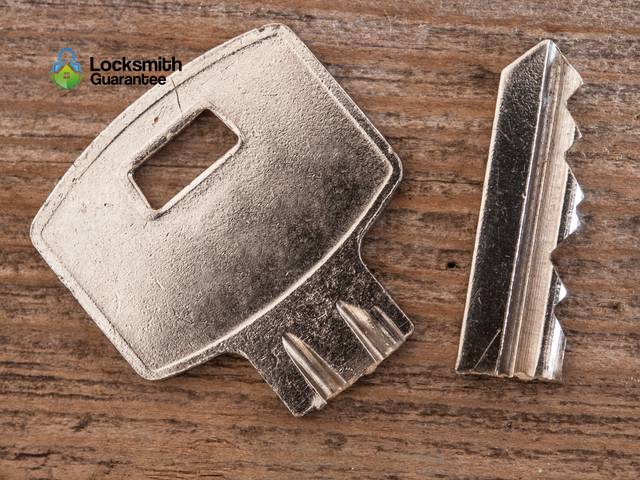
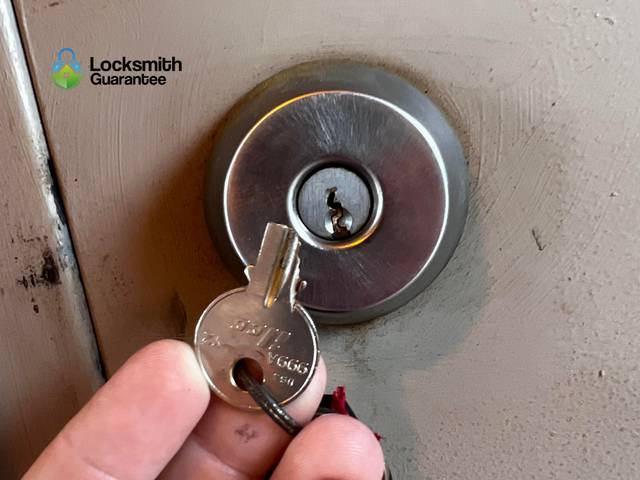
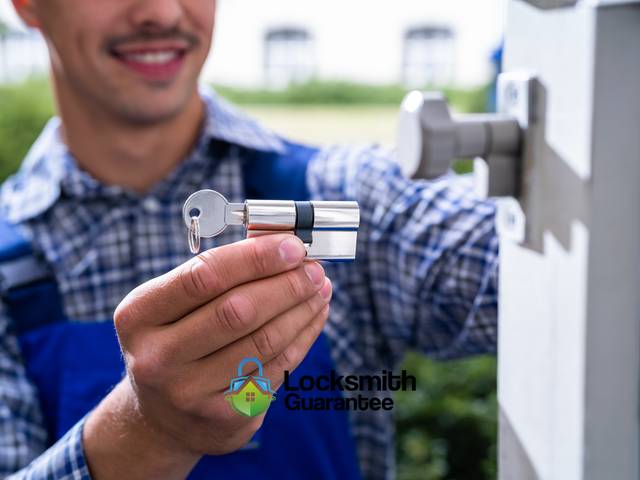
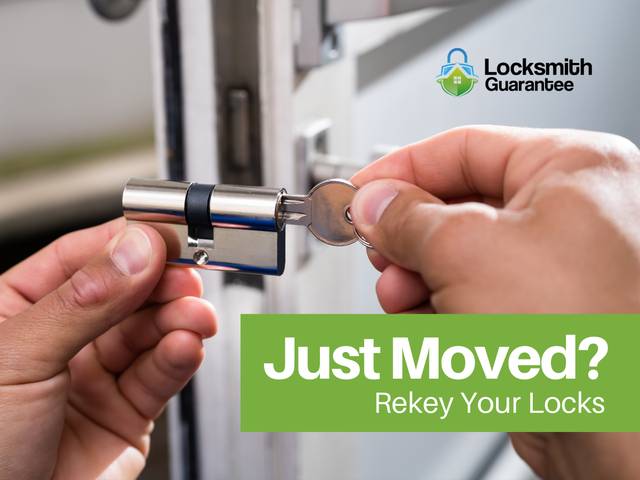
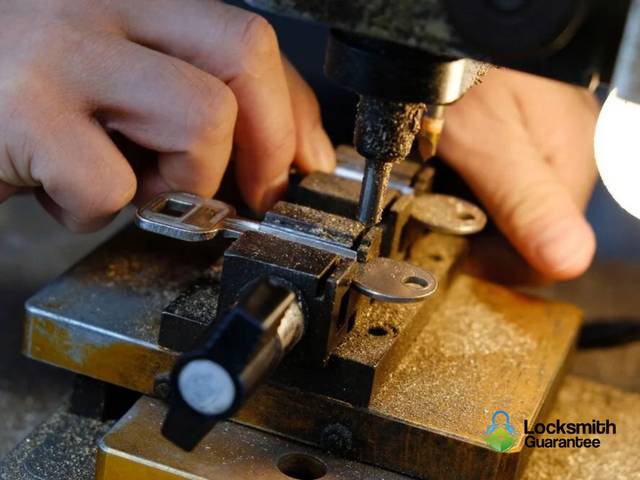
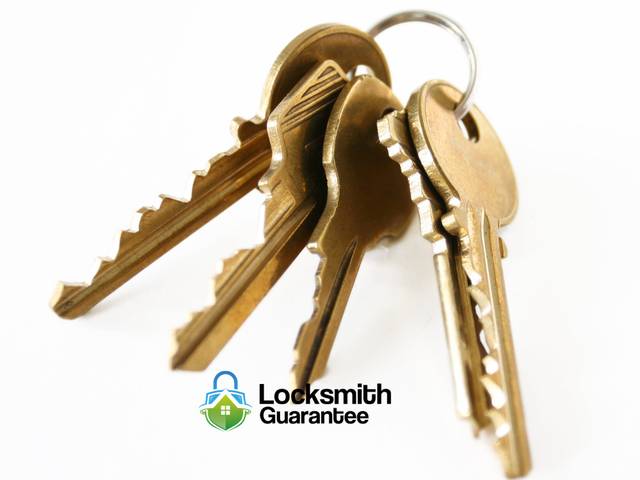
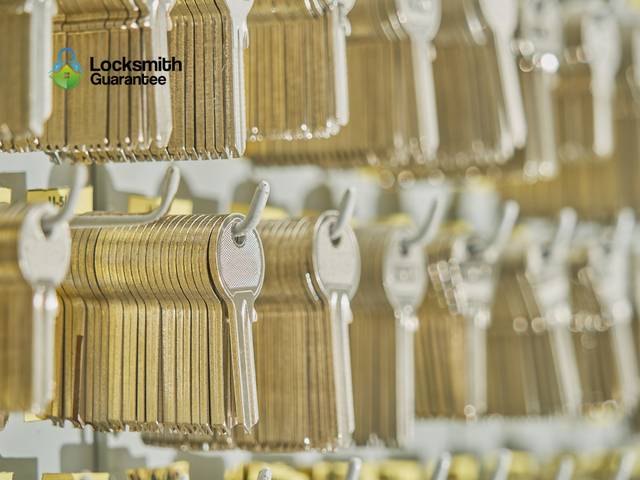
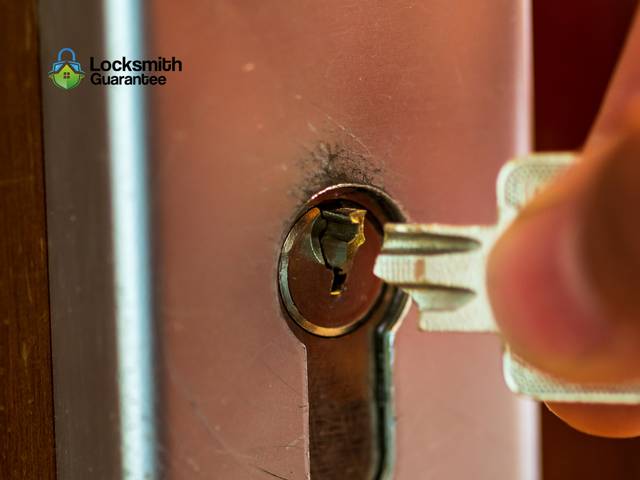
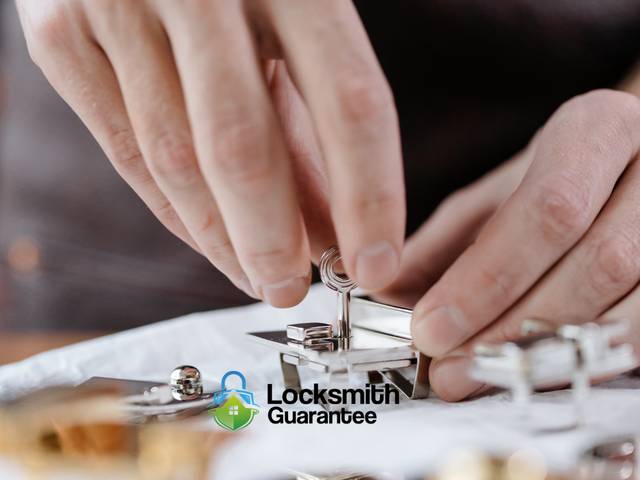
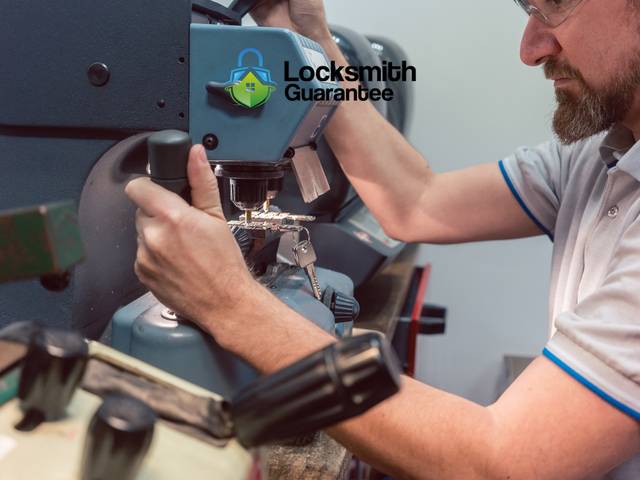
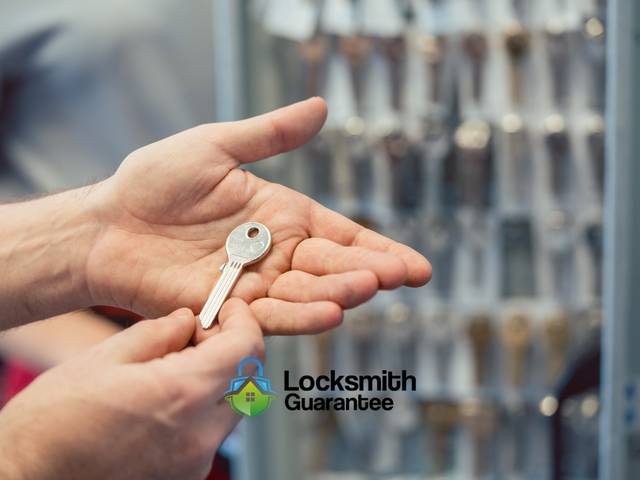
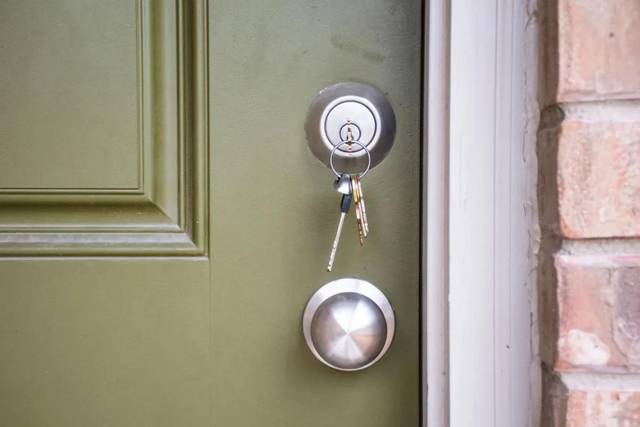
Plugs out, pins changed, blanks cut and checked. None of this alters the outside of the door. 1 of the 15 are our own jobs; the others illustrate the hardware.


Questions and answers
Questions about rekeying
How many keys do I get?
Tell us how many you need and they are cut at the same time, which is much simpler than coming back for them later. Think about spares held elsewhere: a relative, a dog walker, a glovebox, a desk drawer.
Can any lock be rekeyed?
Most pin tumbler cylinders can. Some older or unusual locks cannot, either because pinning kits are no longer made for them or because the mechanism is a different design entirely — bit-key mortise locks on historic doors, for instance. We can tell from a photo of the lock face in most cases.
Does rekeying make a lock more secure?
No, and it is important to be clear about that. It changes who can open the lock, not how well the lock resists force. If the concern is someone kicking the door rather than someone holding a key, the answer is a better bolt and a reinforced strike.
Can I rekey a lock myself?
Rekey kits exist and some people manage fine with them. The two things that catch people out are keyway compatibility — a kit for one brand will not fit another — and losing a spring or a top pin into a carpet, which turns a small job into a replacement.
I rent. Can I have the locks rekeyed?
Ask your landlord or management company first. Many leases cover this explicitly, and some require the landlord to hold a working key. We will carry out the work on the instruction of whoever has authority over the property.
Keep reading
Where rekeying usually comes up
Rekeying rarely arrives on its own. It is normally the answer to something that started on one of these pages.
Count your doors before you call
How many cylinders, and how many keys you want cutting. That is usually enough for a firm number over the phone.