Automotive
Automotive locksmith work in Washington, DC
Vehicle work splits neatly into two halves: the mechanical side, which has barely changed in decades, and the electronic side, which changes with every model year.
The honest version
What a locksmith can do, and what has to go to a dealer
Cutting a blade is mechanical work. Given the vehicle and proof it is yours, a blade can usually be cut from the key code or by reading an existing lock, and that part is rarely the obstacle.
Programming is where it varies. Many vehicles will accept a new key through the diagnostic port with the right equipment. Some manufacturers hold the security data behind their own systems, and on those a dealer visit is the only route. A few require the vehicle to sit through a security delay before a key can be added at all.
We would rather tell you which of those applies on the phone than find out in your parking space. Have the year, make, model and trim ready, and say whether you still have a working key — adding a second key to a car that already has one is a different job from starting with none.
For the differences between key types and what each costs in effort, the key types guide goes further than this page does.
Vehicle work
What we take on
Six jobs cover almost all of it. Which one you need depends far more on the vehicle and on whether a working key still exists than on the make of the lock.
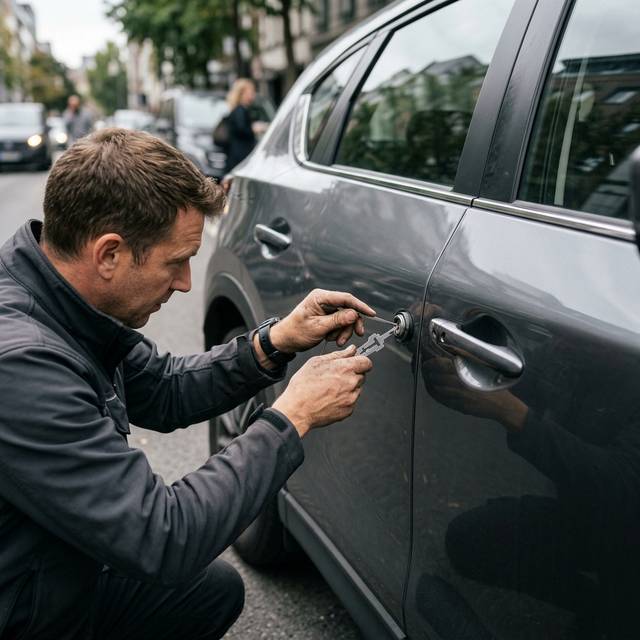
- Getting into a locked vehicle
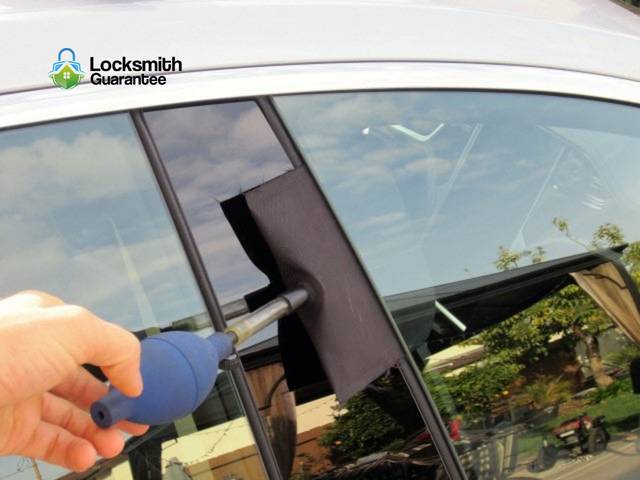
- Non-destructive entry using tools designed for the job. Modern cars have side airbags and wiring in the door cavity, which is exactly why the technique matters more than the speed.
- Cutting replacement blades
- From a key code where one is available, or by reading an existing lock. Includes laser-cut and high-security blades on many vehicles.
- Programming keys and fobs
- Where the vehicle permits it outside a dealer. Covered in detail on the car key replacement page.
- Broken key extraction
- A key that has snapped in a door or ignition. The broken half usually comes out without dismantling anything, and the lock is often undamaged.
- Door lock and ignition faults
- Worn wafers, a cylinder that turns without engaging, a key that goes in but will not rotate. Some are repairable, some need the cylinder replaced.
- Duplicates before you need them
- The easiest time to make a second key is while the first one still works. After that, the job changes completely.
Before we come out
Four things to have to hand
Vehicle work carries a higher bar for proof than house work, for obvious reasons. Gathering this first avoids a wasted visit.
Year, make, model and trim
Trim matters. Two cars of the same model year can use different key systems depending on how they were specified.
The VIN
Visible through the windshield on the driver's side, and printed on the registration. It is how a key code is looked up.
Proof the vehicle is yours
Registration or title in your name, plus photo identification. A rental or company vehicle needs authority from whoever holds the paperwork.
Where it is parked
Street, garage level, permit zone. Underground garages in the District often have height limits and no phone signal, both of which change the plan.
On the road
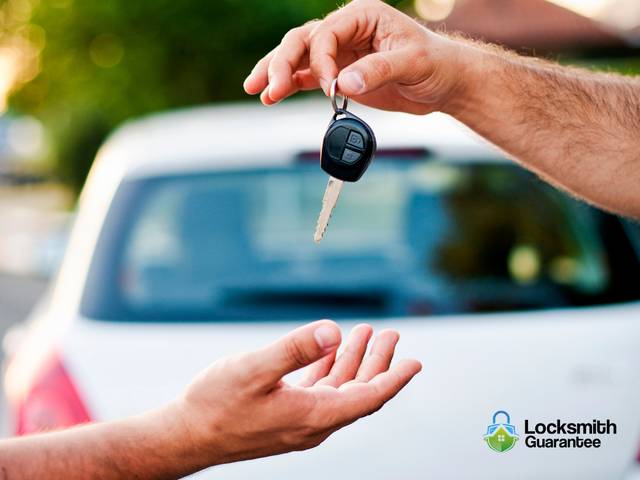
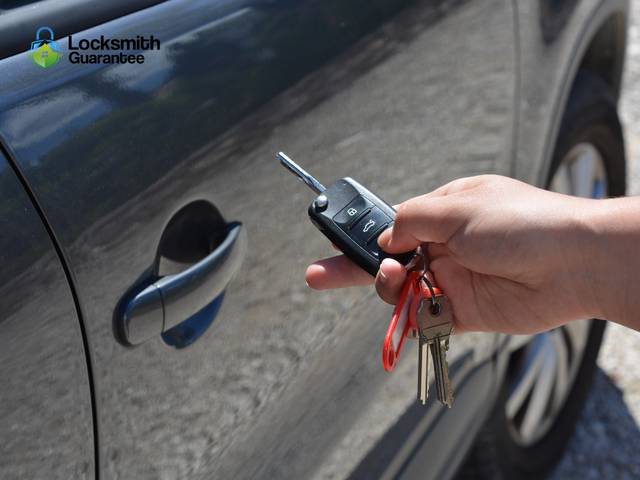
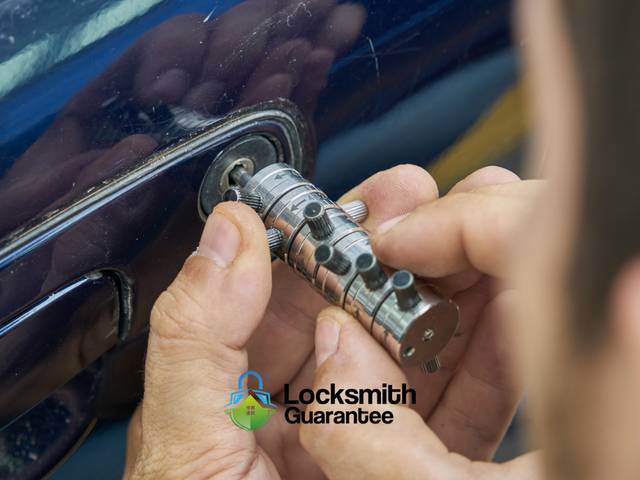
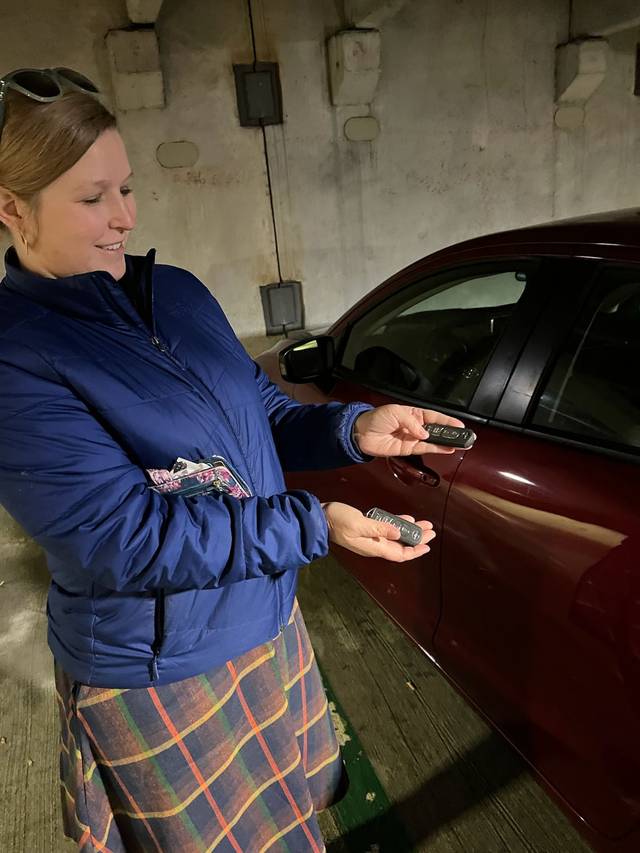
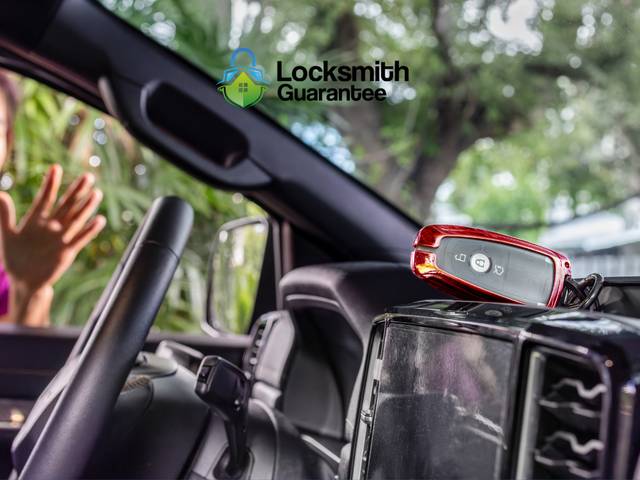
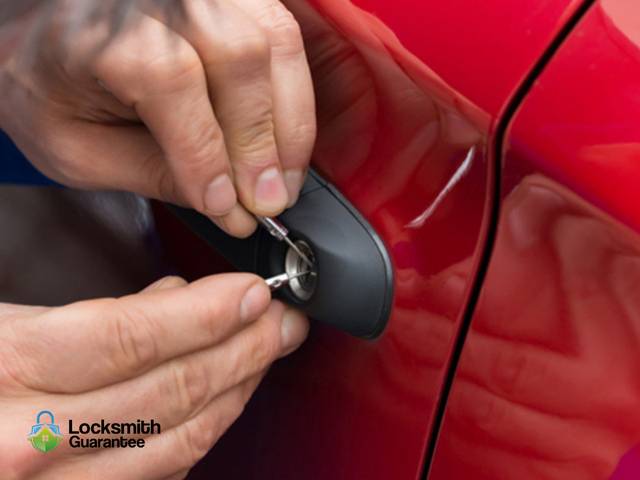
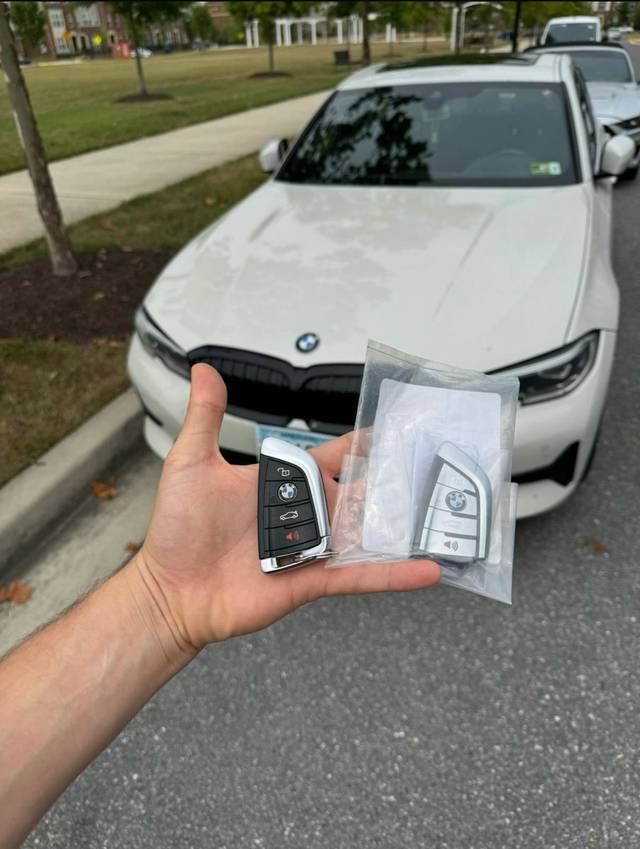
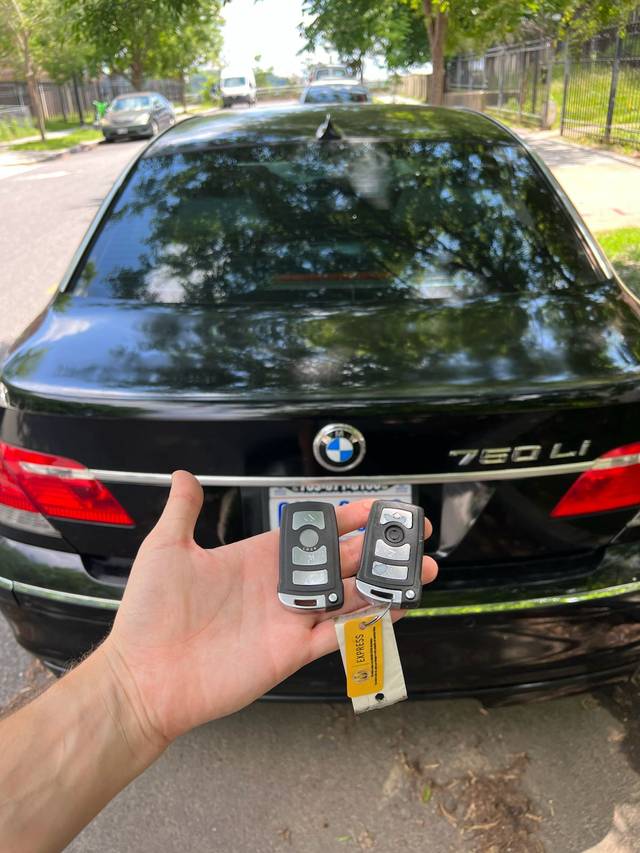
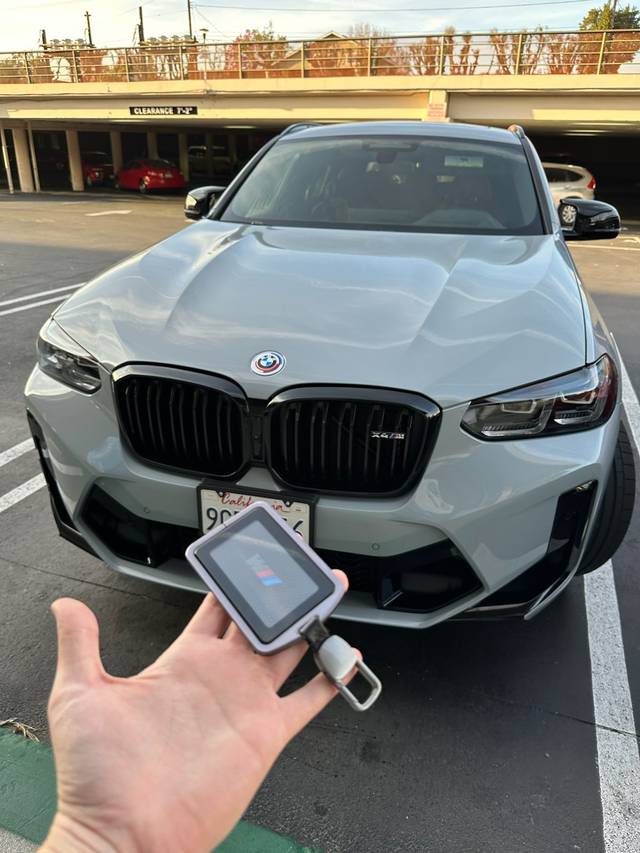
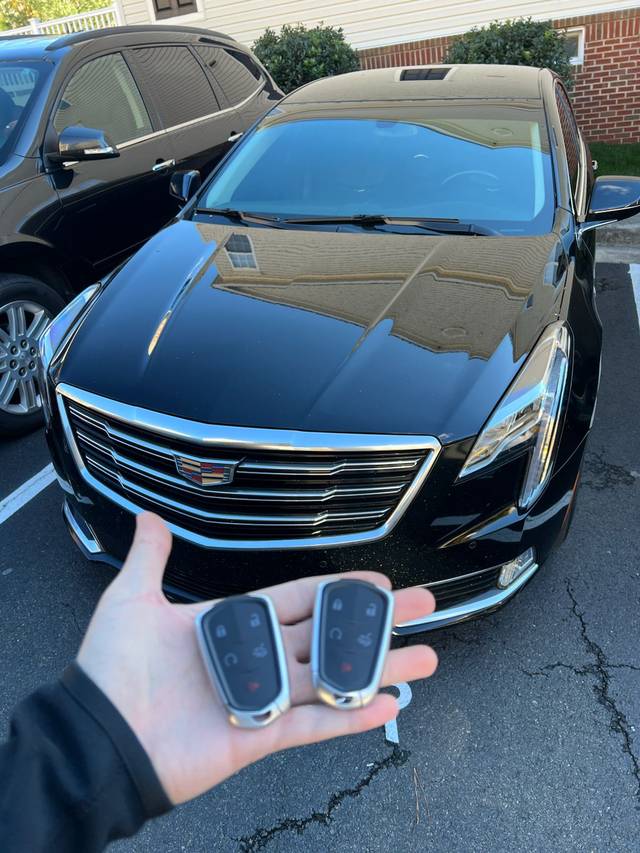
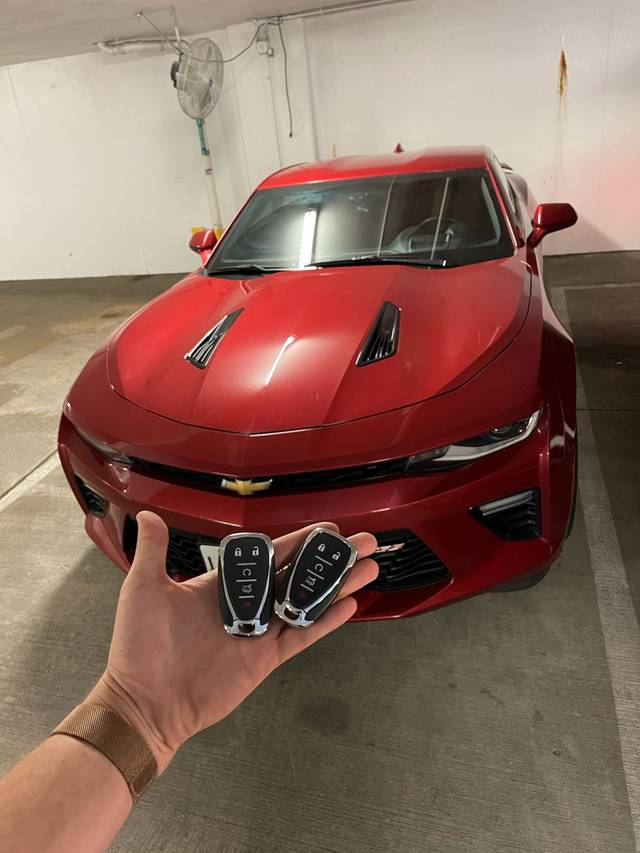
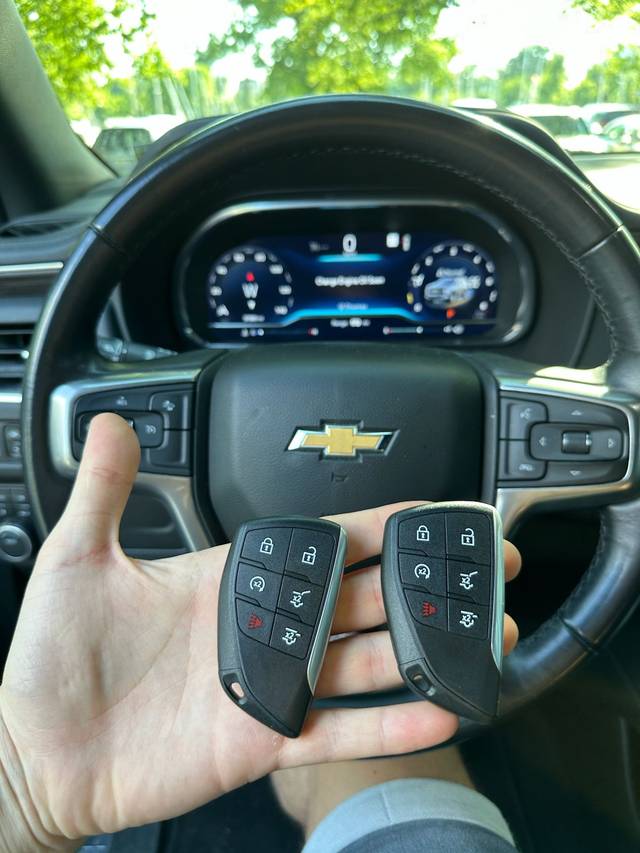
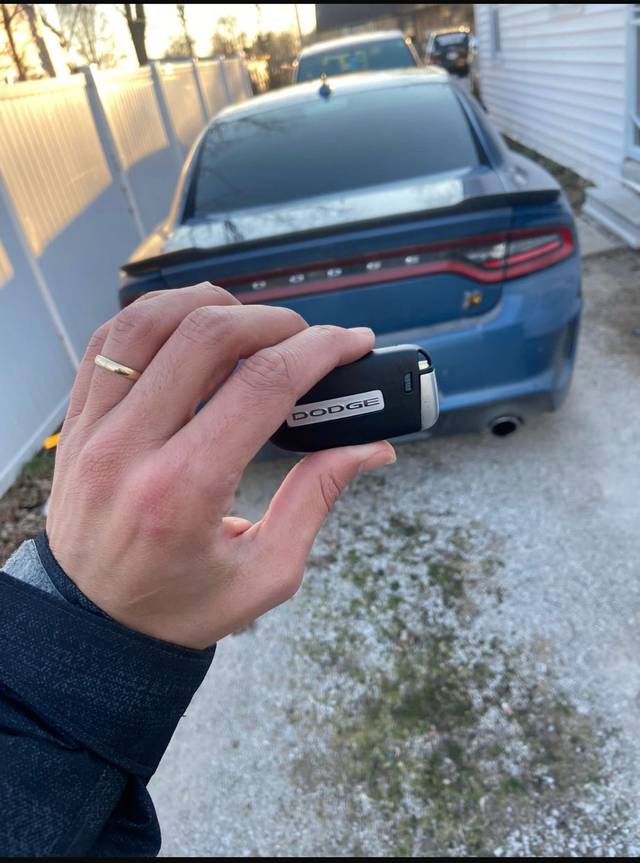
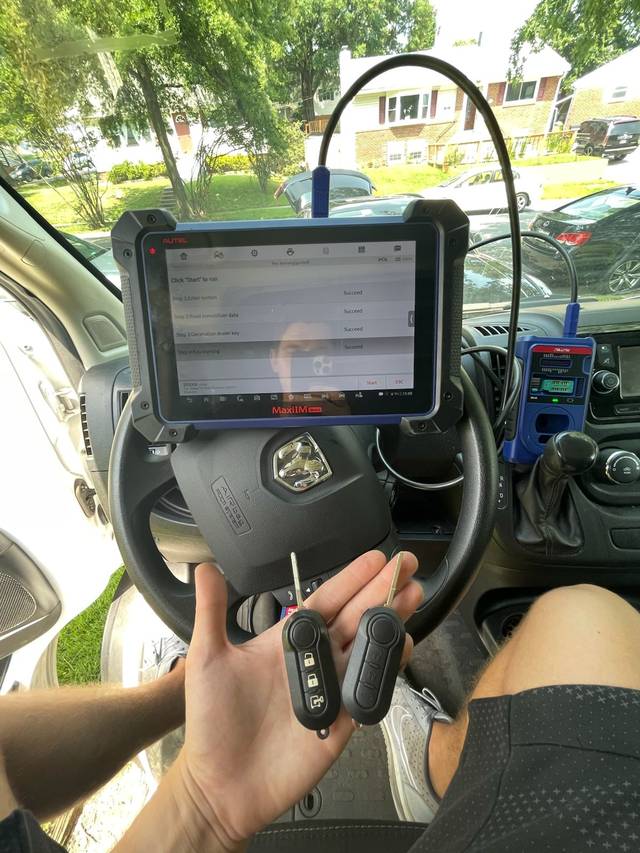
Vehicle work, photographed
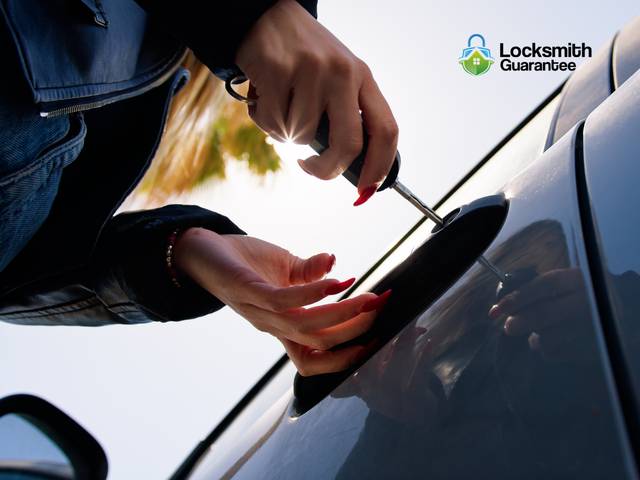
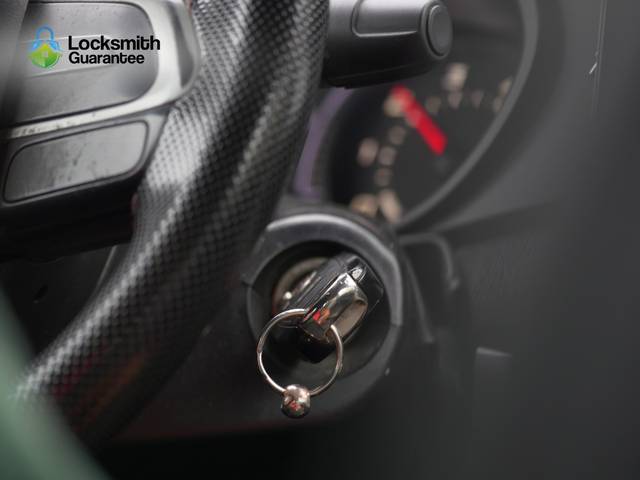
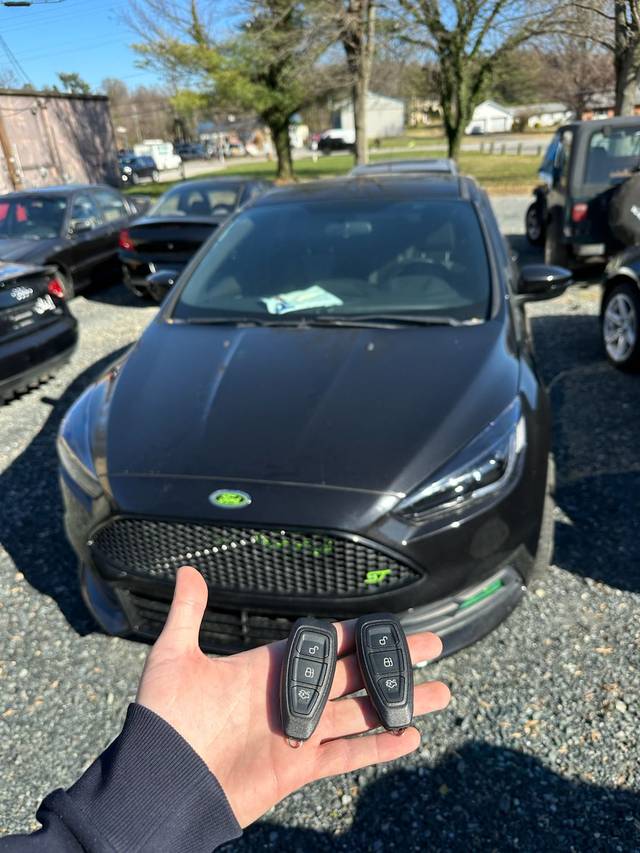
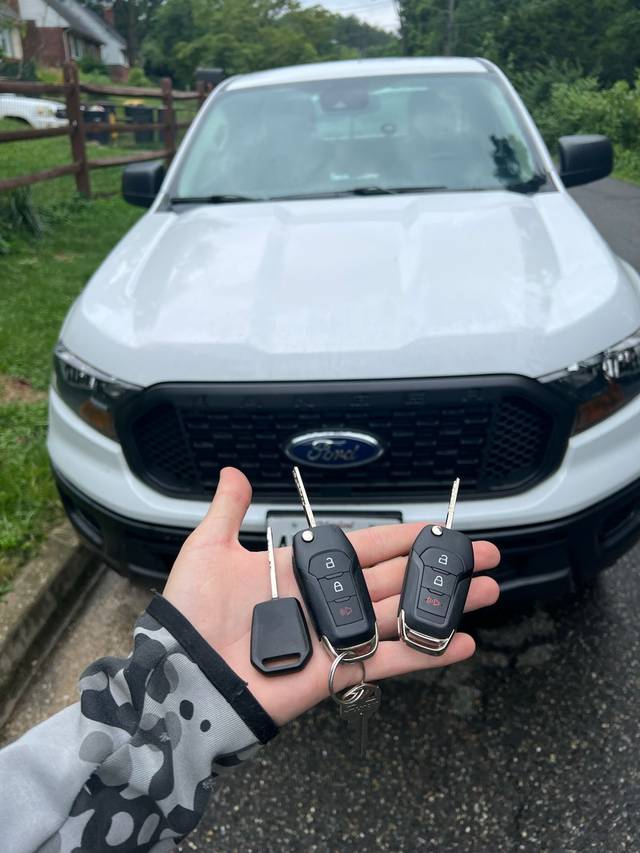
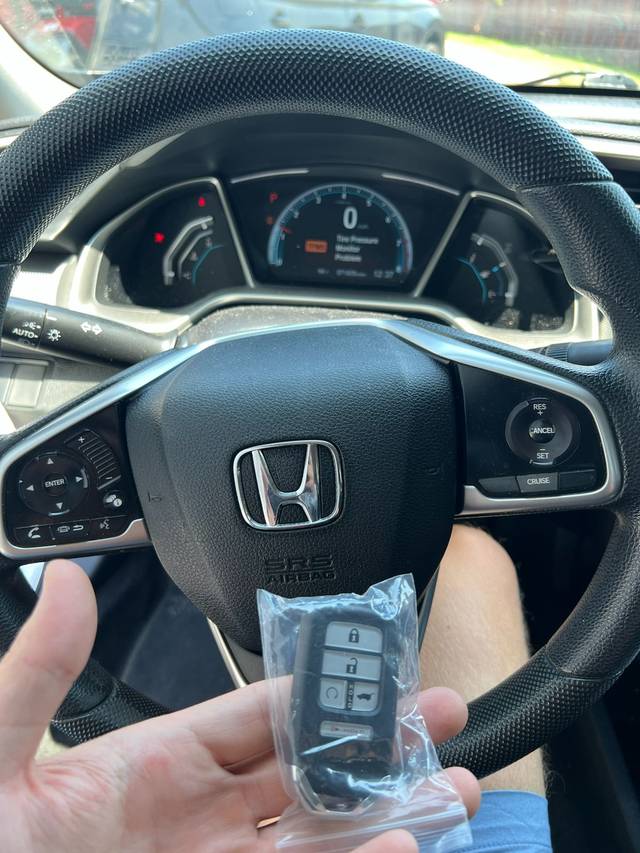
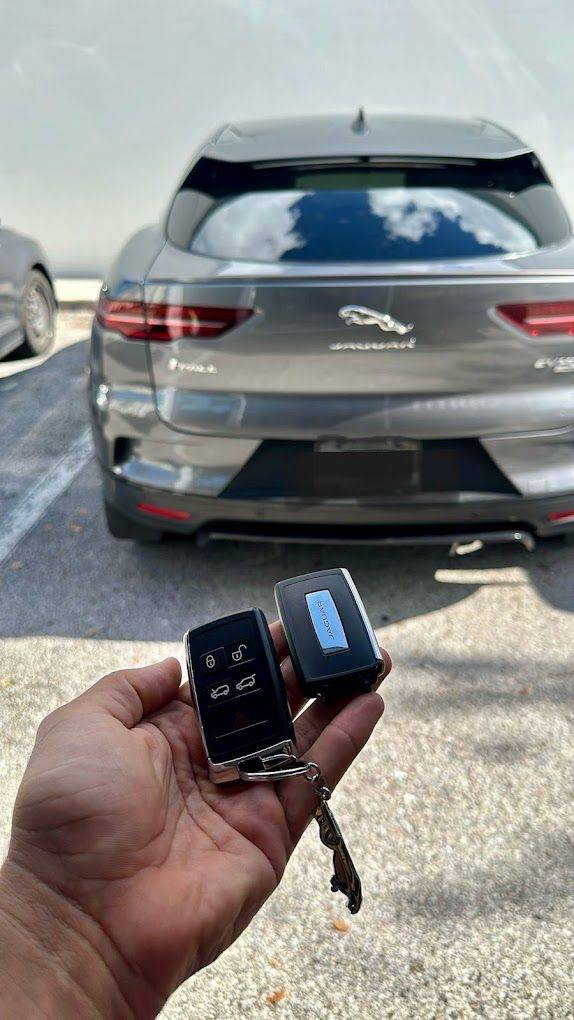
Getting into a locked car, dealing with an ignition, and the tools that do it without touching the glass or the wiring in the door. 13 of the 24 are our own jobs; the others illustrate the hardware.
Questions and answers
Questions about vehicle work
Can you make a car key with no working key at all?
On many vehicles, yes. A blade can be cut from the key code held against the VIN, and the electronics programd through the diagnostic port. Whether that last step is possible depends on the manufacturer and the model year, so it is the first thing we check when you call.
Is opening a locked car going to damage it?
It should not. Entry tools are designed to work through the door seal or the frame without touching the glass, the paint or the wiring. The risk rises sharply with improvised methods, which is the main argument against the coat hanger.
My key works in the door but the car will not start. Is that a key problem?
Possibly. If the blade turns the ignition but the engine does not run, the transponder in the key head may have failed or lost its pairing. It can also be a fault on the vehicle side, in the immobilizer or its aerial ring. We can tell the two apart before anything is replaced.
Do you handle motorcycles, vans and box trucks?
Motorcycles and vans, generally yes. Larger commercial vehicles and anything with a proprietary fleet key system depend on the make, so ask with the details to hand.
Can you do this at the roadside, or does the car need to come somewhere?
Vehicle work is mobile. What matters is that the vehicle can be reached and worked on safely: a legal parking spot, enough room to open a door fully, and a garage that the van can actually get into if it is underground.
Keep reading
Going deeper on vehicle keys
The two pages below cover the parts of automotive work that generate the most questions, in more detail than this overview allows.
Have the vehicle details ready
Year, make, model and whether a working key exists. That is usually enough to say what the job is and what it involves.