Lockouts
Locked out of a home, business or vehicle
Where the keys ended up changes the job more than the door does. Being shut out with the keys on the kitchen table is a different piece of work from losing them somewhere between Petworth and Union Station.
First
Three checks worth making before you call anyone
They take a minute and they occasionally end the problem outright.
- Try every other way in. Back doors, basement entrances and ground-floor windows in row houses are more often unlocked than people expect. A neighbor, a landlord or a roommate may also hold a spare.
- Work out whether the deadbolt is thrown. A door that has simply pulled shut on a spring latch is a smaller job than one that has been deliberately locked. You can usually tell by whether you locked it on your way out.
- Decide where the keys are. Visible inside is one situation. Genuinely lost is another, because keys in circulation are a reason to change what the lock accepts once you are back inside.
If none of that helps, that is when a locksmith earns the call. Have the address, the type of door and some idea of the lock ready when you get in touch.
Method
How entry is actually gained
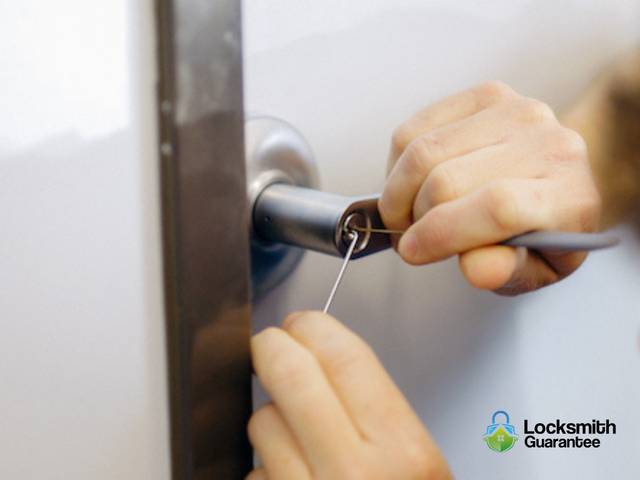
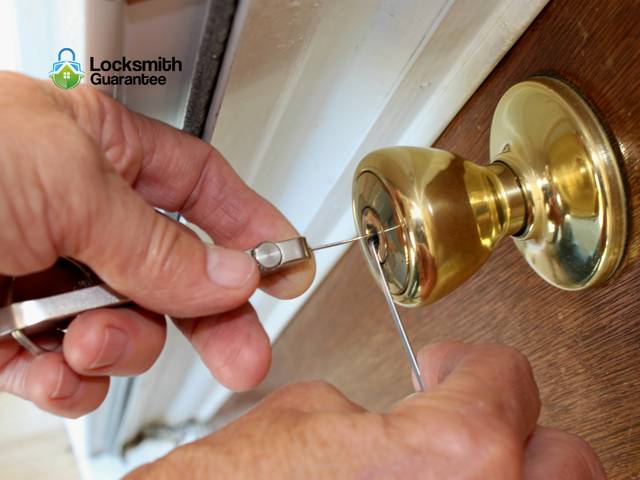
The goal is always to leave the lock working afterwards. On a residential spring latch that usually means manipulating the latch itself. On a pin tumbler cylinder it may mean picking or bypassing it, which leaves nothing to repair. On a vehicle it means a tool designed to reach the internal linkage without disturbing the glass or the wiring in the door cavity.
Drilling exists, and there are cases where it is the correct answer: a cylinder that has already been forced, a high-security lock deliberately built to resist manipulation, or hardware that has seized internally. When it happens, it means the cylinder is replaced afterwards, so it should be a considered decision rather than an opening move. If a locksmith reaches for a drill first, ask what they tried before it.
Some doors resist everything. A metal frame that has warped onto the bolt, or a door that has been secured with something beyond the lock, may need work that goes past locksmithing. We will say so rather than keep going.
By property type
What changes depending on the door
Houses and apartments
The most common call, and usually the most straightforward. Where a building controls the entrance door, we can help with your own unit but not the shared doors. Read more about home lock work.
Shops and offices
Higher bar for authority: we need to hear from someone who can act for the business, not whoever happens to be at the door. Hardware is heavier and takes longer. See commercial work.
Cars and vans
Registration and identification are required before anything is touched. If the keys are gone rather than inside, entry is only half the job — see car key replacement.
Our phone is answered between 6:00 AM and 11:00 PM, seven days a week. Outside those hours, leaving a message means we pick it up when the shop opens.
Getting back in
Doors opened without damage
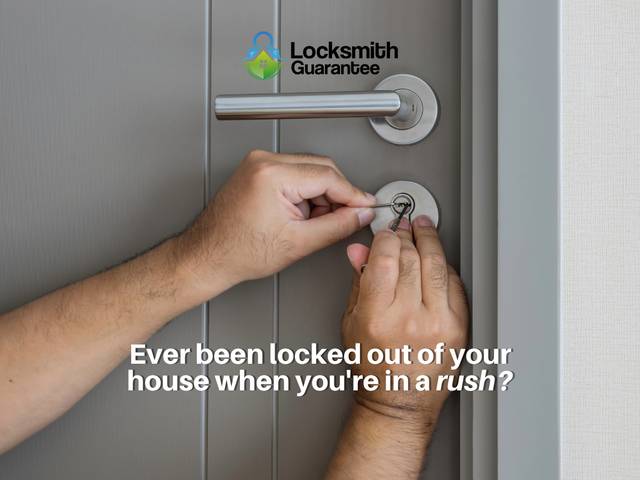
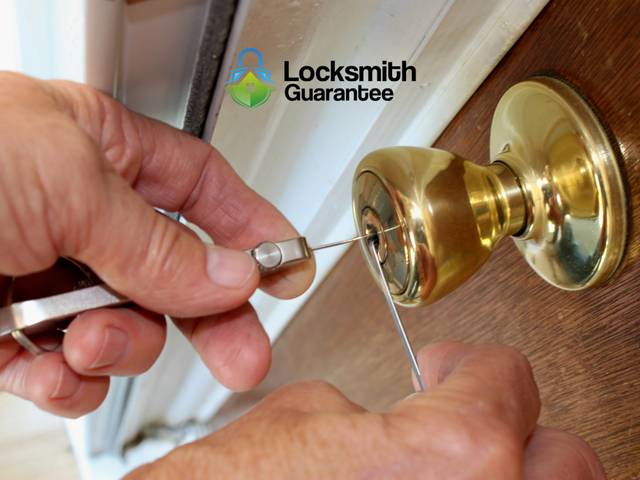
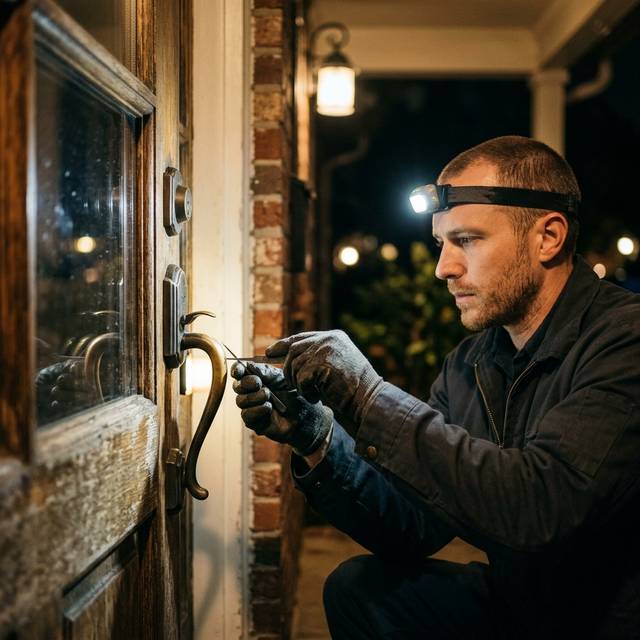
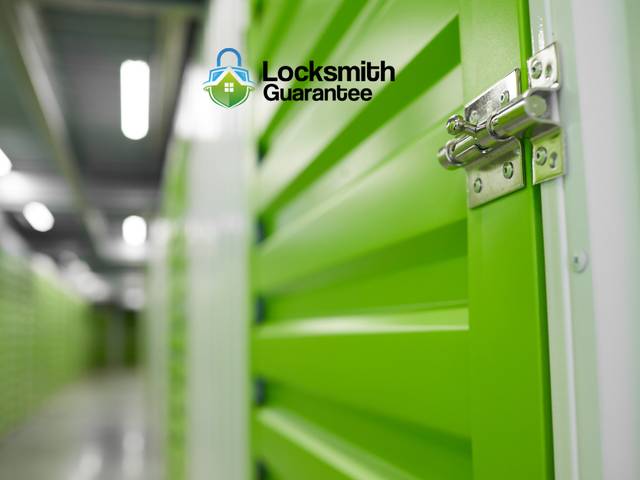
Houses, business premises and storage. The aim in every one of these was to leave the lock working afterwards. These are illustrative rather than photographs of our own jobs.
Questions and answers
Questions about being locked out
Will you have to break the lock to get me in?
In most residential lockouts, no. The point of the tools is to leave the lock working afterwards. Drilling is reserved for cylinders that have already been damaged, seized hardware, or high-security locks built specifically to resist manipulation — and it means a replacement cylinder afterwards.
I am locked out and everything I own is inside. What can I show you?
Tell us when you call and we will work out what is possible. A landlord, a property manager or a roommate who can confirm by phone often does it. Mail with your name and that address on it, visible once the door is open, is another route. We would rather find a workable answer than open a door for the wrong person.
If my keys are lost rather than inside, is getting in enough?
It gets you back into the building, but the lost keys still open the door. If they were on a ring with anything identifying the address, the sensible next step is rekeying the cylinder so the missing key stops working. That can usually be done in the same visit.
Can you get into a room inside the house?
Interior doors, usually straightforwardly — privacy sets on bedrooms and bathrooms are built to be released from outside. A keyed interior door with the key lost is closer to a normal lockout.
What about a car with the keys visible on the seat?
That is a routine vehicle entry, once you can show the car is yours. Bring the registration if it is not in the car, and be ready with photo identification.
Keep reading
What often follows a lockout
Getting the door open is frequently the first half of the visit. These pages cover the second half.
Locked out and need to talk it through?
Have the address, the door type and some idea of the lock ready. Phones are answered from 6:00 AM to 11:00 PM every day.