Smart locks
Keypad and connected deadbolts, fitted properly
A smart lock changes how the bolt is driven. It does not change the bolt, the strike or the frame, which is where the security of a door actually lives. Both facts are worth knowing before buying one.
Setting expectations
What it changes, and what it leaves alone
What you gain is real: no key to lose, codes you can issue and withdraw individually, a record of who came and went, and the ability to let a dog walker or a contractor in without cutting anything. For a household that hands out access often, that is a genuine improvement over a drawer of spare keys.
What does not change is the physical resistance of the opening. The bolt is the same bolt. The strike is the same strike. If the screws behind it are half an inch long and go into soft trim, a connected lock has not helped with that at all. Any conversation about a smart lock is worth pairing with one about the strike and the frame.
The other thing that changes is the failure mode. Mechanical locks fail slowly and give warning. Battery-powered locks work perfectly and then do not. Which is why the keyway override on the outside is not a detail.
Before buying
Whether your door can take one
Most modern doors can. Older DC doors are where it gets interesting, and it is easier to find out now than after the box is opened.
- Door thickness. Most locks fit 1⅜ to 1¾ inches as standard. Older row house doors are sometimes thicker, which needs an extension kit or a different model.
- Backset. The distance from the door edge to the center of the bore, usually 2⅜ or 2¾ inches. Non-standard backsets are common on period doors.
- Bore size. A standard 2⅛-inch bore. Anything smaller needs enlarging; anything larger needs a filler plate.
- Room for the interior module. Smart deadbolts are deeper inside than mechanical ones, which matters where a storm door, a handle or a frame return is close by.
- Whether the door latches cleanly now. A motor cannot drive a bolt into a misaligned strike. A door that needs a shove has to be sorted out first.
- Signal, for connected models. Thick brick walls and a router two floors away are a real constraint in a DC row house.
Choosing
Three broad types
They differ in what they add rather than in what they secure. Work out which of the three matches how your household actually hands out access, and ignore the rest of the feature list.
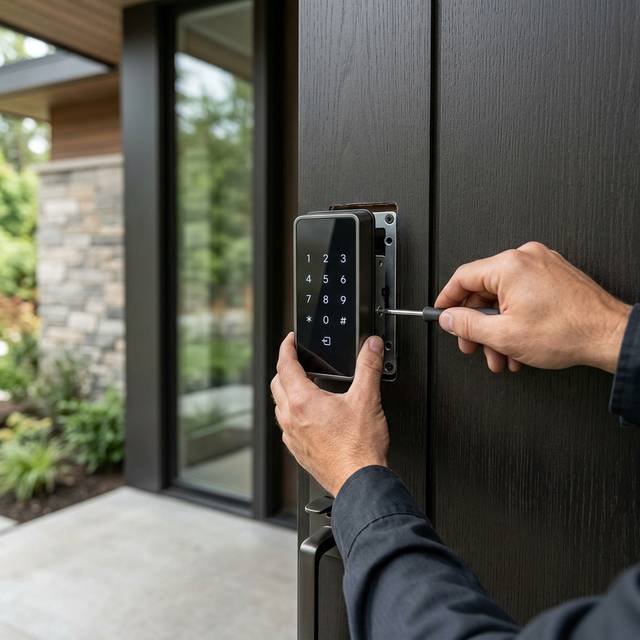
Keypad only
A code instead of a key, with no network at all. Nothing to configure, nothing to update, and no account to maintain. For most households this covers the actual need.
Keypad plus app
Adds remote locking, temporary codes and a log. Worth it if you genuinely issue access to other people. Worth less if the phone stays in the same pocket as the key would have.
Interior-side conversion
Fits over the inside of an existing deadbolt and turns the thumbturn. The outside of the door, and therefore the original key and its appearance, is untouched — useful on historic doors.
Whichever you choose, we set it up on the door, test every method of opening it, and make sure you have a mechanical way in when the batteries eventually go. On a historic door, the retrofit option is often the only one that does not raise a question with the review process.
Fitted and working
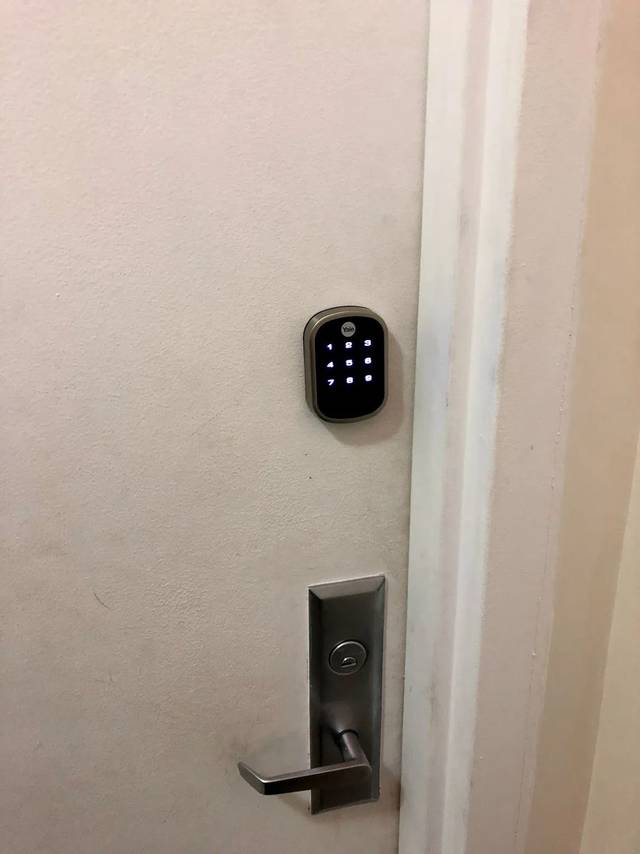
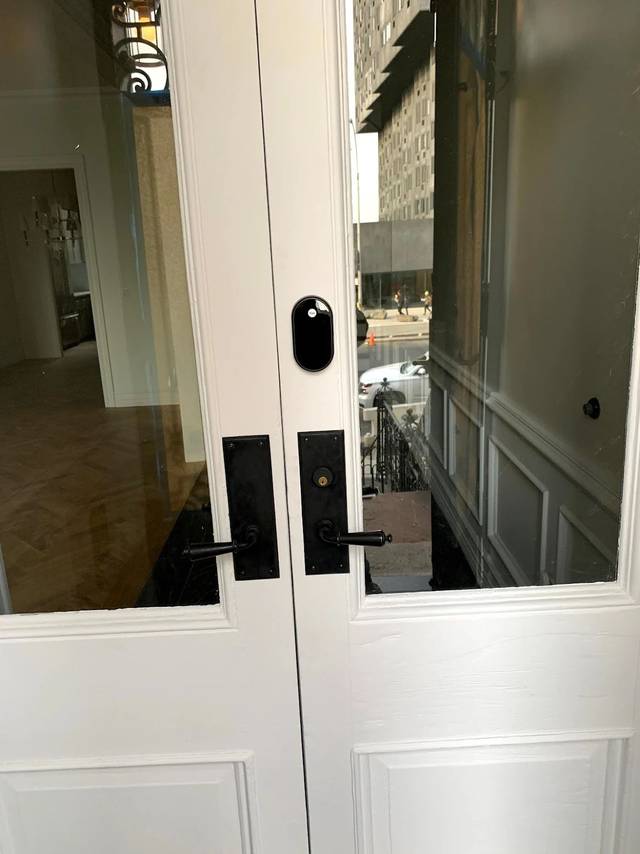
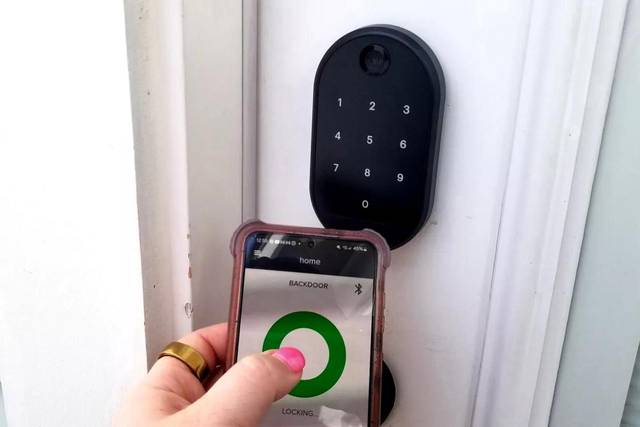
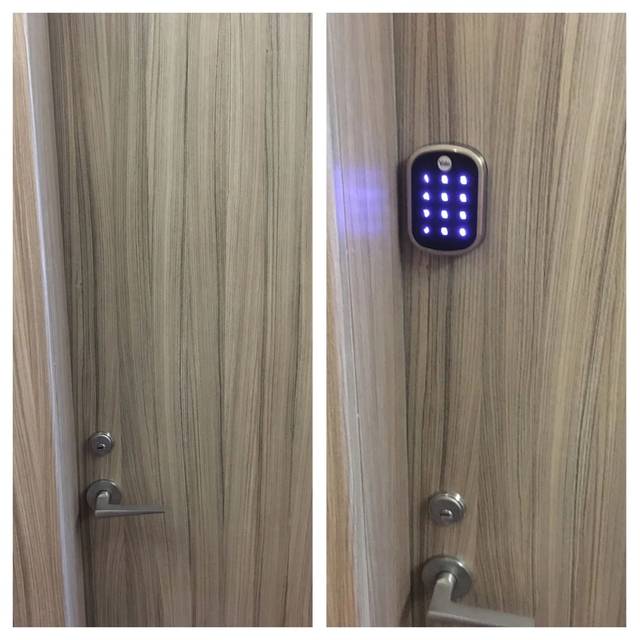
Keypad and connected locks, on the door
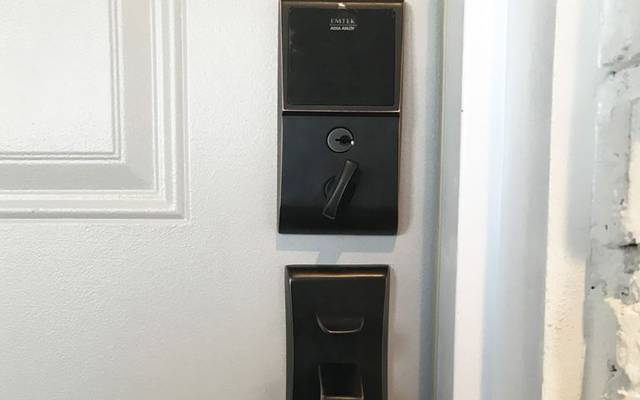
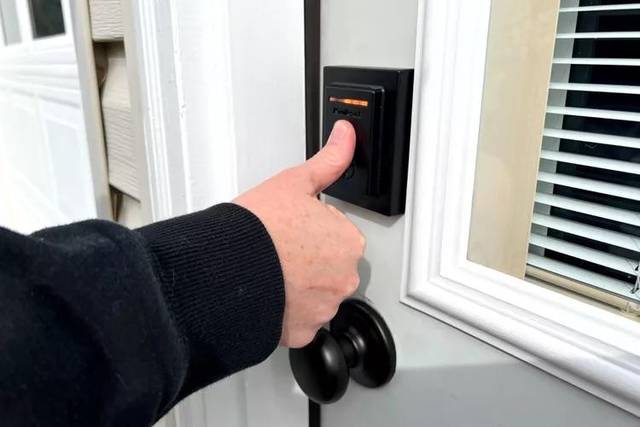
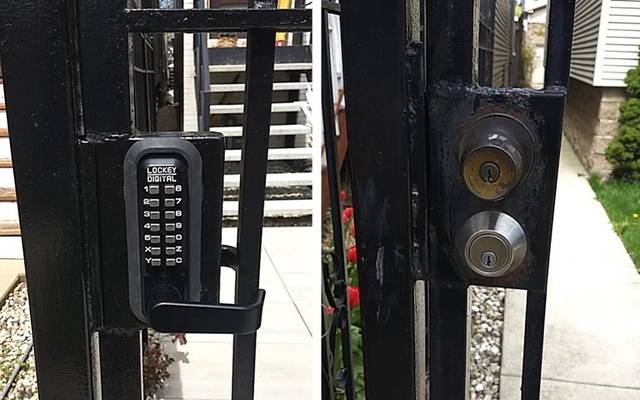
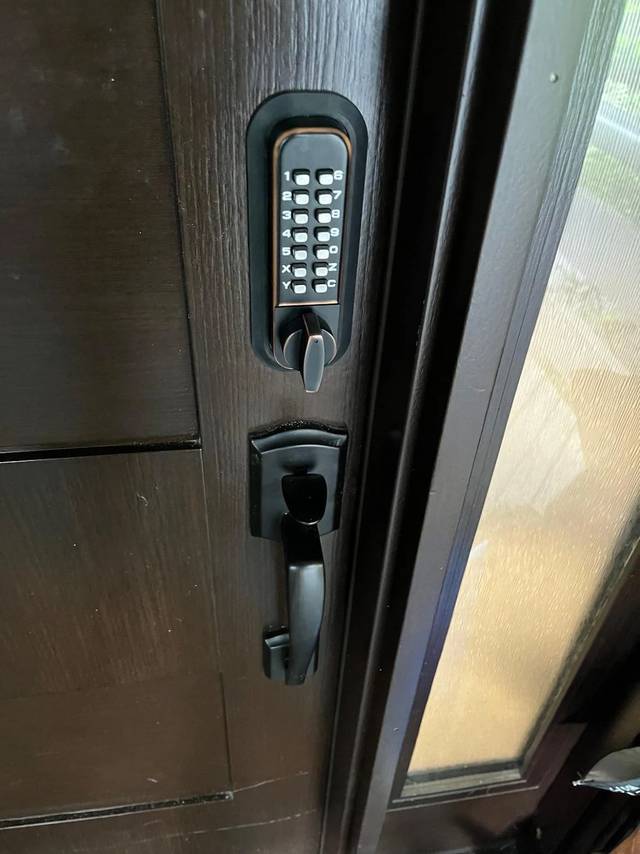
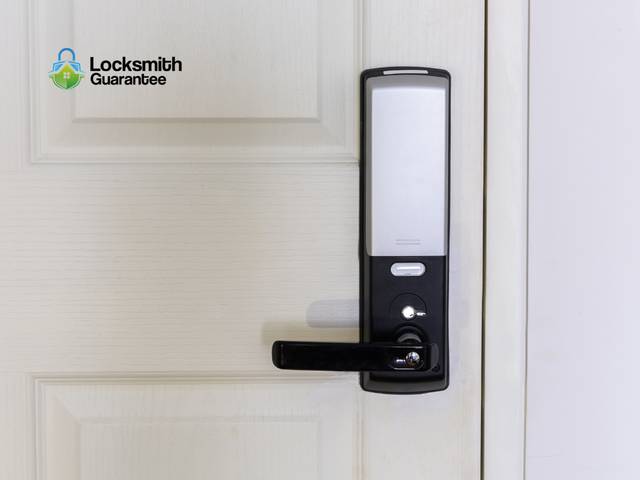
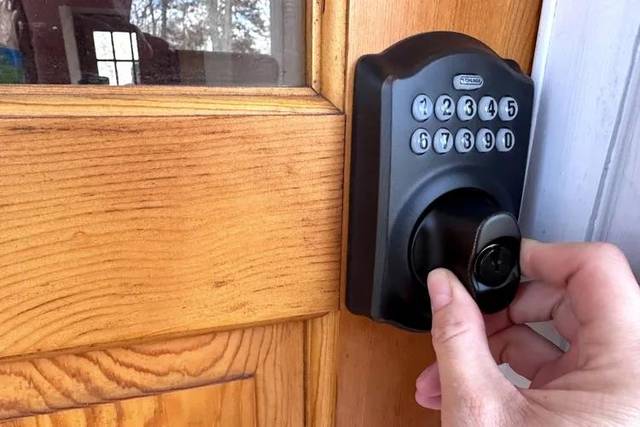
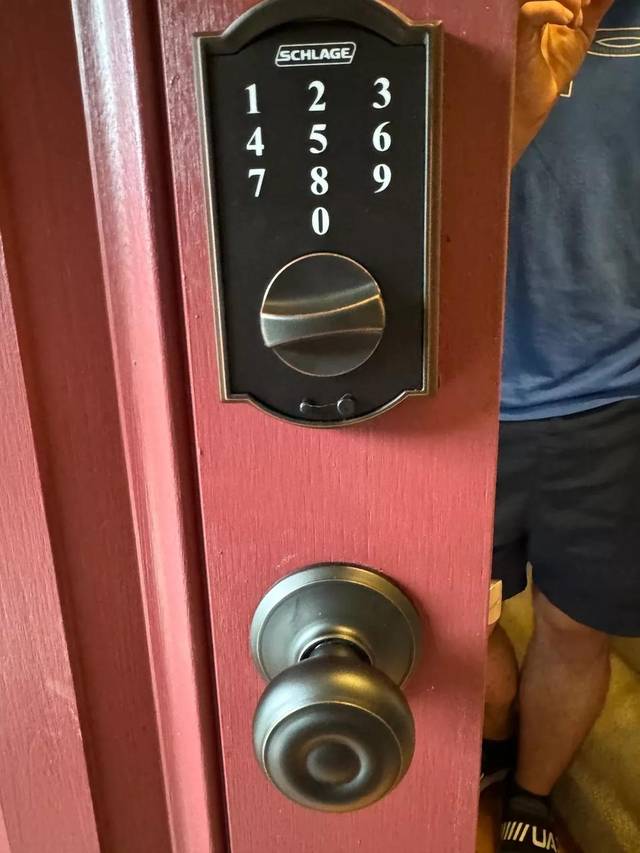
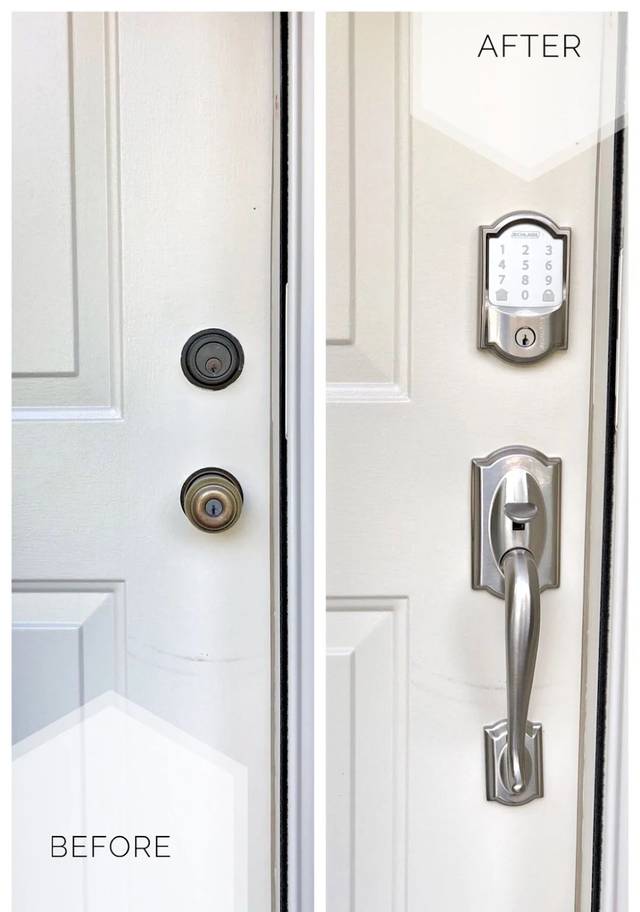
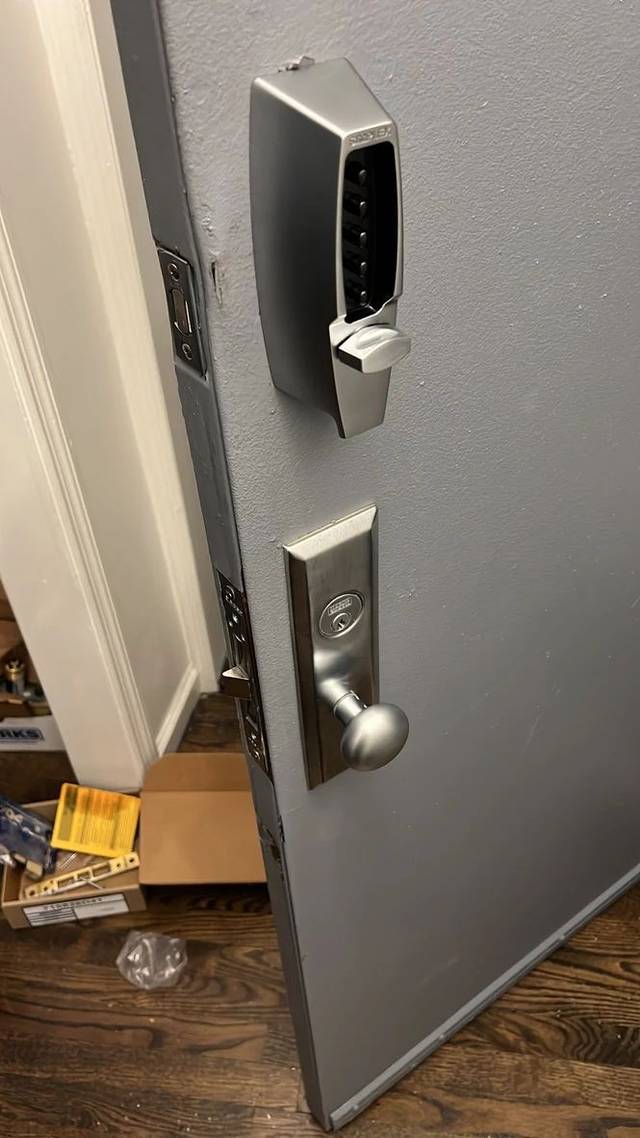
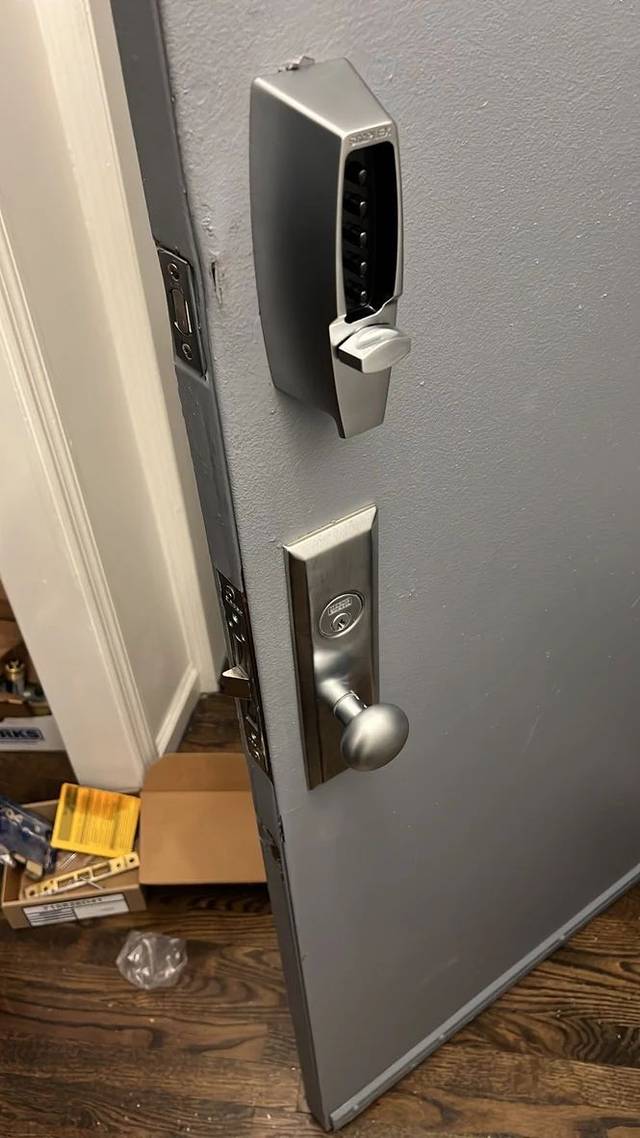
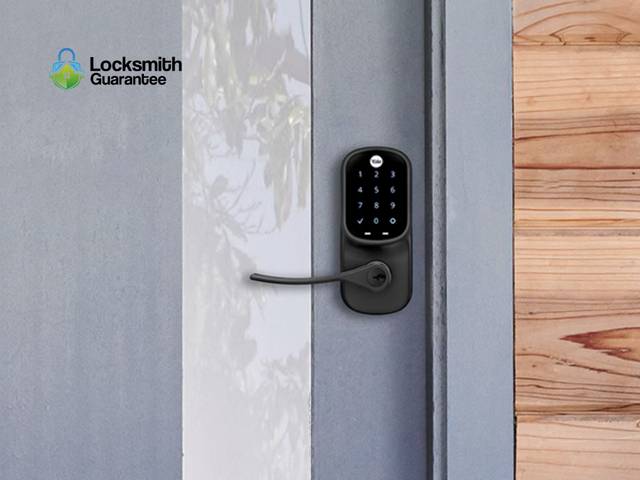
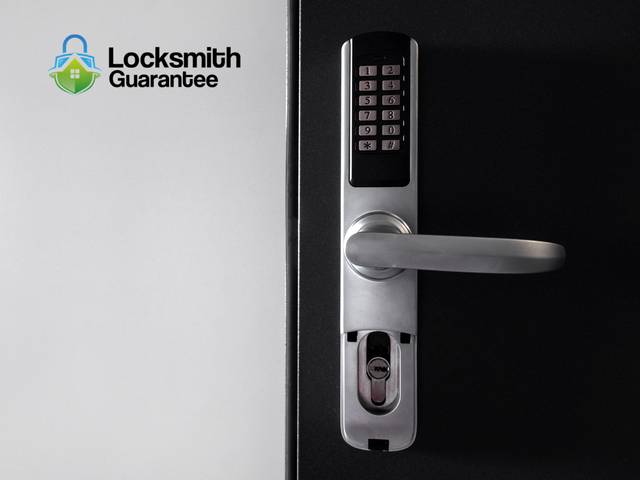
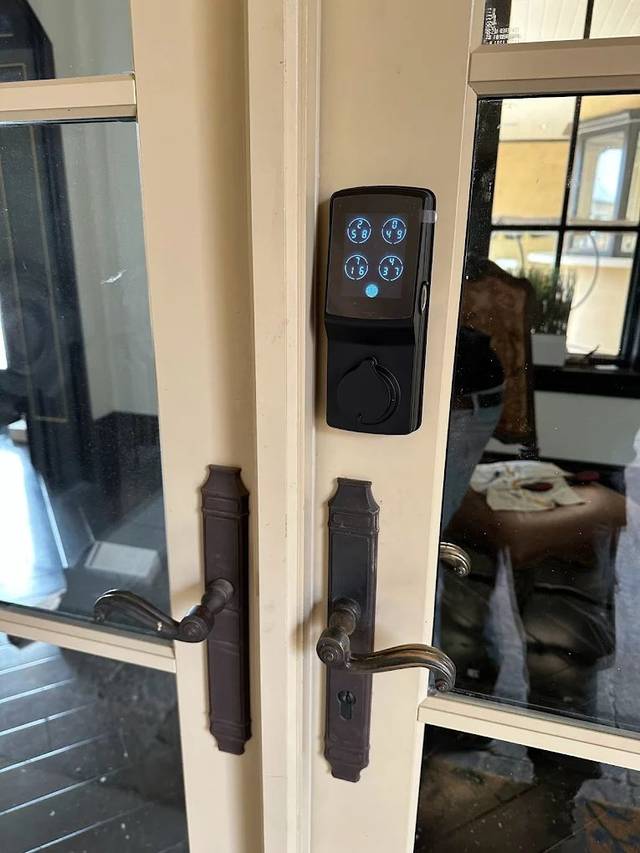
Battery keypads, touchscreen deadbolts and mechanical push-button locks that need no power at all. The last of those is worth more consideration than it usually gets. 15 of the 20 are our own jobs; the others illustrate the hardware.
Questions and answers
Questions about smart locks
What happens when the batteries die?
Most keypad deadbolts warn for weeks first, through the app or with a light and a tone at the door. When they do run out, the keyway on the outside opens it mechanically. Some models also take a jump from a battery pack at contacts on the underside. Keep a physical key somewhere other than inside the house.
Is a smart lock less secure than a normal deadbolt?
The bolt and strike are the same, so the physical resistance is the same. What is added is a keypad and, on connected models, a radio — two more things that could fail or be attacked. Choosing a lock from a manufacturer that issues firmware updates matters more than the brand on the front.
Can I keep using my existing key?
With a retrofit conversion, yes, because the outside of the lock is unchanged. With a full replacement, the lock is new and so is the key, though a new cylinder can often be keyed to match your other doors.
Will it work with my existing home setup?
Depends on the protocol. Some locks talk directly over wi-fi, others need a bridge or a hub, and compatibility with a given ecosystem is worth confirming before purchase rather than after. Tell us what you already run and we can narrow it down.
Do you fit these on business doors?
On small premises with a standard bore, sometimes. On anything with an exit device, a closer or an egress obligation, a consumer smart lock is usually the wrong tool and proper access control hardware is the right one.
Keep reading
Worth reading alongside
A smart lock is one decision inside a larger one about the door it goes on.
Measure the door before you order
Thickness, backset and bore size. Send those and we can tell you what will fit before anything is bought.